
Mastering IPTV Setup: The Ultimate Guide for Streamers
Have you ever found yourself frustrated with traditional cable TV options and wondering if there’s a better way to access your favorite shows and channels? Internet Protocol Television (IPTV) offers an innovative solution that’s transforming how we consume media. With a Top Rated IPTV Provider, you can unlock thousands of channels and on-demand content at a fraction of the cost of cable. This comprehensive guide will walk you through everything you need to know about setting up and optimizing your IPTV experience. Before making any decisions, it’s always wise to check best IPTV service provider reviews to ensure you’re choosing a reliable service that meets your specific viewing needs.
Devices & Requirements
To enjoy a seamless IPTV experience, you’ll need several key components:
Smart TV: Most modern smart TVs support IPTV apps directly, eliminating the need for additional devices.
Streaming Devices:
– Amazon Firestick/Fire TV: Popular, affordable option with easy app installation
– Android TV Box: Offers greater flexibility and customization options
– Apple TV: Premium option with excellent performance and user interface
– Roku: User-friendly interface with numerous channel options
– Chromecast: Budget-friendly option for casting from mobile devices
Internet Connection: A stable connection is crucial, with recommended speeds of:
– SD content: Minimum 3 Mbps
– HD content: 5-10 Mbps
– 4K content: 25+ Mbps
IPTV Subscription: You’ll need an active subscription from a reputable provider.
IPTV Player Apps:
– TiviMate: Feature-rich option for Android devices
– IPTV Smarters: User-friendly with multi-screen support
– GSE Smart IPTV: Excellent for iOS devices
– Perfect Player: Lightweight option with customizable interface
– VLC Media Player: Versatile player that supports numerous formats
Optional Equipment:
– Ethernet cable (for more stable connection than WiFi)
– VPN service (for enhanced privacy and access)
– External storage device (for recording content)
Setup Time & Preparation
Before diving into the installation process, it’s helpful to understand what to expect time-wise:
Initial Research: 1-2 hours to research providers, compare features, and read reviews
Equipment Acquisition: 1-3 days depending on shipping if purchasing new devices
Software Installation: 15-30 minutes per device
Configuration: 30-60 minutes to set up channels and customize settings
Testing and Troubleshooting: 30 minutes to ensure everything works properly
Preparation Checklist:
1. Verify your internet speed meets minimum requirements
2. Ensure you have administrator access to your devices
3. Create necessary accounts for app stores
4. Have your IPTV subscription details ready
5. Clear storage space on your device if needed
6. Update your device’s operating system to the latest version
Step-by-Step Instructions
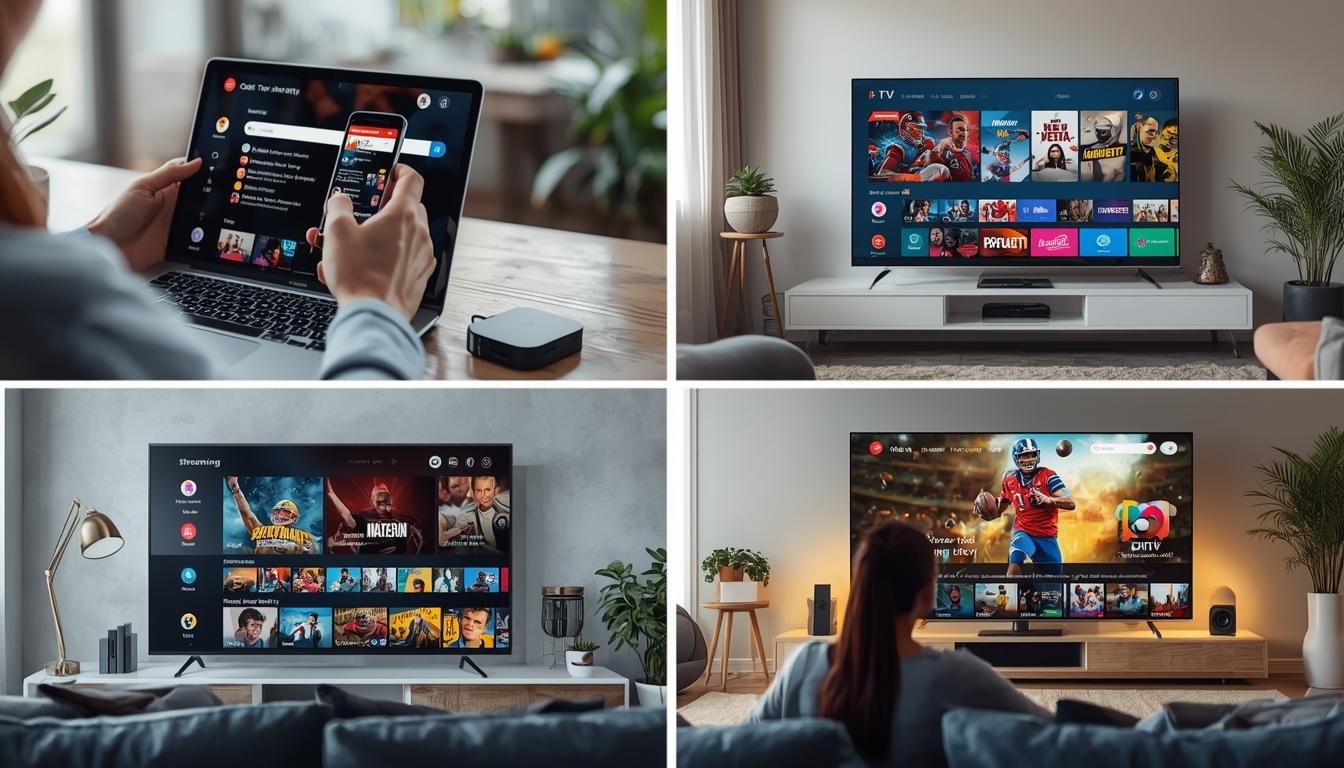
Setting Up IPTV on Firestick/Fire TV
1. Turn on your Firestick/Fire TV and connect to WiFi
2. Enable Apps from Unknown Sources:
– Go to Settings > My Fire TV > Developer Options
– Turn on “Apps from Unknown Sources”
3. Install Downloader app:
– Go to the Amazon App Store
– Search for “Downloader” and install it
4. Download your IPTV player app:
– Open Downloader
– Enter the URL for your preferred IPTV player (e.g., TiviMate, IPTV Smarters)
– Follow on-screen instructions to install
5. Launch the IPTV player app
6. Add your Top Rated IPTV Provider subscription:
– Enter the M3U playlist URL or XC login credentials provided by your provider
– Save your settings
7. Organize channels and customize interface according to your preferences
Setting Up IPTV on Android TV Box
1. Connect your Android TV Box to your TV and WiFi
2. Enable Apps from Unknown Sources:
– Go to Settings > Security
– Enable “Unknown Sources”
3. Install your preferred IPTV player:
– Open Google Play Store
– Search for and install your preferred player (TiviMate, IPTV Smarters, etc.)
4. Launch the app and input your subscription details
5. Organize your channels into favorites and categories
Setting Up IPTV on Smart TV
1. Connect your Smart TV to the internet
2. Access your TV’s app store (Samsung App Store, LG Content Store, etc.)
3. Search for and download a compatible IPTV player
4. Launch the app and enter your subscription details
5. Configure display settings for optimal viewing experience
For all devices, consulting best IPTV service provider reviews can help you choose the right app and settings configuration that work best with your specific provider.
Benefits & Advantages
Switching to IPTV offers numerous advantages over traditional television services:
Cost-Effective: IPTV subscriptions typically cost a fraction of traditional cable packages while offering more content.
Extensive Content Library: Access to thousands of channels from around the world, including sports, movies, news, and specialized content.
On-Demand Viewing: Many IPTV services include VOD (Video on Demand) libraries with movies and TV shows.
Multi-Device Compatibility: Watch on TVs, computers, tablets, or smartphones with the same subscription.
No Hardware Limitations: Unlike satellite or cable, there’s no need for extensive physical infrastructure or hardware.
Customizable Experience: Create personalized channel lists, favorites, and viewing preferences.
Time-Shifting Features: Pause, rewind, or record live TV on many services.
High-Definition Content: Access to HD, Full HD, and even 4K content with sufficient bandwidth.
Global Access: Watch region-specific content from anywhere with the right setup.
Tips, Alternative Methods, or Optimization Advice
Optimize Your Network:
– Use Ethernet connections instead of WiFi when possible
– Place your router in a central location with minimal obstructions
– Consider a mesh WiFi system for larger homes
– Use Quality of Service (QoS) settings on your router to prioritize streaming
Buffer Management:
– Increase buffer size in player settings for more stable playback
– Close background apps and unused devices on your network
– Consider a dedicated streaming device rather than using a computer
Alternative Access Methods:
– IPTV through Kodi media center with appropriate add-ons
– Web-based IPTV players for computer viewing
– Mobile apps with screen mirroring capabilities
Provider Redundancy:
– Consider maintaining subscriptions to two providers for backup
– Use different apps for different content types for optimal performance
EPG (Electronic Program Guide) Enhancement:
– Set up external EPG sources for more accurate program information
– Customize EPG timeframes to match your viewing habits
Backup Your Configuration:
– Export and save your IPTV player settings and configurations
– Keep login credentials securely stored but accessible
Common Mistakes to Avoid
Choosing the Wrong Provider:
– Solution: Research thoroughly, request trials, and read current user reviews
– Check for server locations close to your geographic area for better performance
Using Unreliable Apps:
– Solution: Stick to well-established IPTV players with regular updates
– Pay for premium versions of apps to remove limitations and ads
Neglecting VPN Protection:
– Solution: Invest in a reliable VPN service that doesn’t log activities
– Choose VPN servers strategically for optimal streaming speeds
Incorrect Playlist Configuration:
– Solution: Double-check playlist URL entries for typos
– Update playlist URLs regularly as providers may change them
Poor Network Management:
– Solution: Conduct regular speed tests to verify bandwidth
– Schedule heavy downloads during non-viewing hours
– Consider bandwidth caps when selecting streaming quality
Outdated Device Firmware:
– Solution: Set up automatic updates when possible
– Check manually for updates monthly
Improper Security Practices:
– Solution: Use unique passwords for each service
– Avoid sharing account credentials with too many users
– Be cautious about installing unknown apps or add-ons
Maintenance & Ongoing Care
Regular maintenance ensures optimal IPTV performance over time:
Weekly Tasks:
– Clear cache in your IPTV applications
– Update channel lists and EPG data
– Check for app updates
Monthly Tasks:
– Update device firmware
– Check for router firmware updates
– Test internet speeds and contact ISP if below promised speeds
– Review subscription terms and renewal dates
Quarterly Tasks:
– Perform a full device restart/reset if experiencing issues
– Evaluate if your current provider still meets your needs
– Check for new player applications that might offer better features
– Clean physical devices to prevent dust buildup and overheating
Troubleshooting Tips:
– For buffering issues: reduce resolution, clear cache, or try different servers
– For connection errors: check internet connection, restart router, verify subscription status
– For EPG problems: force EPG update or try alternative EPG sources
– For app crashes: update the app, clear cache, or reinstall
Conclusion
The world of IPTV offers unprecedented access to global content at affordable prices, making it an attractive alternative to traditional television services. By following this guide, you’ve learned how to select the right equipment, set up your system correctly, and maintain optimal performance. Remember that a Top Rated IPTV Provider can make all the difference in your viewing experience, providing stable servers, extensive channel selections, and responsive customer support.
As streaming technology continues to evolve, staying informed about best practices and emerging technologies will ensure you always get the most from your entertainment setup. Don’t hesitate to consult best IPTV service provider reviews periodically to ensure your current service remains competitive in terms of features, reliability, and value.
Whether you’re a sports enthusiast, movie buff, or international content consumer, IPTV technology opens doors to a world of entertainment possibilities. With proper setup and maintenance, your streaming experience can be even better than traditional television—more flexible, more extensive, and more tailored to your specific interests.
FAQs
Is IPTV legal to use?
IPTV technology itself is completely legal and is used by many legitimate services. However, some providers may offer unauthorized content. Always research providers thoroughly and choose those that comply with copyright laws and have proper licensing agreements for their content.
Why does my IPTV stream buffer frequently?
Buffering is typically caused by insufficient internet speed, network congestion, or server issues with your provider. Try reducing the stream quality, using a wired connection instead of WiFi, closing background applications, or contacting your provider to switch to a less congested server.
How many devices can I use with one IPTV subscription?
This varies by provider. Most services allow 1-4 simultaneous connections per subscription. Check your provider’s terms of service for specific limitations. Using more devices than allowed could result in account suspension.
Do I need a VPN with my IPTV service?
While not strictly necessary, a VPN is recommended for several reasons: it enhances your privacy, prevents bandwidth throttling by your ISP, and can help bypass geographic restrictions. Choose a VPN with high speeds and servers in multiple countries for optimal performance.
Can I record shows from my IPTV service?
Many IPTV applications support recording functionality, allowing you to save content for later viewing. However, storage requirements can be substantial—about 2-3GB per hour for HD content. Check if your chosen player supports recording and ensure your device has sufficient storage space.