Are you looking for an enhanced television viewing experience that goes beyond traditional cable or satellite? In 2026, IPTV (Internet Protocol Television) has revolutionized how we consume media content, offering unprecedented flexibility and variety. Finding the best iptv 2026 solution requires understanding the current landscape, available features, and service reliability factors. With countless providers claiming to offer the best iptv service 2026, it’s crucial to know what separates quality options from mediocre ones. This comprehensive guide will walk you through everything you need to know about setting up, optimizing, and maintaining your IPTV experience in 2026.
Table of Contents
Devices & Requirements
To enjoy a seamless IPTV streaming experience, you’ll need certain hardware and software components:
Essential Devices:
– Smart TV with internet capability (Samsung, LG, Sony, etc.)
– Streaming devices (Amazon Firestick, Roku, Apple TV, Chromecast)
– Android TV Box or NVIDIA Shield
– Smartphones and tablets (iOS or Android)
– Windows PC, Mac, or Linux computer
Basic Requirements:
– Stable internet connection (minimum 25 Mbps for HD, 50+ Mbps for 4K)
– IPTV subscription from a reputable provider
– IPTV player application (TiviMate, IPTV Smarters, Perfect Player, GSE Smart IPTV)
– VPN service (optional but recommended for privacy)
– External storage for recording (optional)
Optional Equipment:
– Ethernet cable for wired connections (more stable than Wi-Fi)
– Mesh Wi-Fi system for whole-home coverage
– External hard drive for local recordings
– Universal remote with voice control capabilities
– HDMI extender for improved device placement
Each component plays a vital role in your streaming experience. The device you choose impacts user interface, playback quality, and available features, while your internet connection determines streaming reliability and quality.
Setup Time & Preparation
Before diving into the installation process, it’s important to know what to expect regarding setup time and preparation:
Time Considerations:
– Initial research and provider selection: 1-3 hours
– Device preparation: 15-30 minutes
– App installation: 5-10 minutes per device
– IPTV service configuration: 15-30 minutes
– Testing and optimization: 30 minutes to 1 hour
Preparation Checklist:
1. Verify your internet speed using online speed testing tools
2. Ensure your streaming device is updated to the latest firmware
3. Free up storage space on your device if necessary
4. Gather login credentials for your IPTV subscription
5. Have your payment method ready if purchasing a subscription
6. Download necessary applications beforehand
7. Consider scheduling setup during off-peak hours for faster downloads
Total setup time typically ranges from 1-3 hours for first-time users, including research and configuration. Experienced users can complete the process in under an hour. Patience during the initial setup pays dividends in long-term performance and reliability.
Step-by-Step Instructions
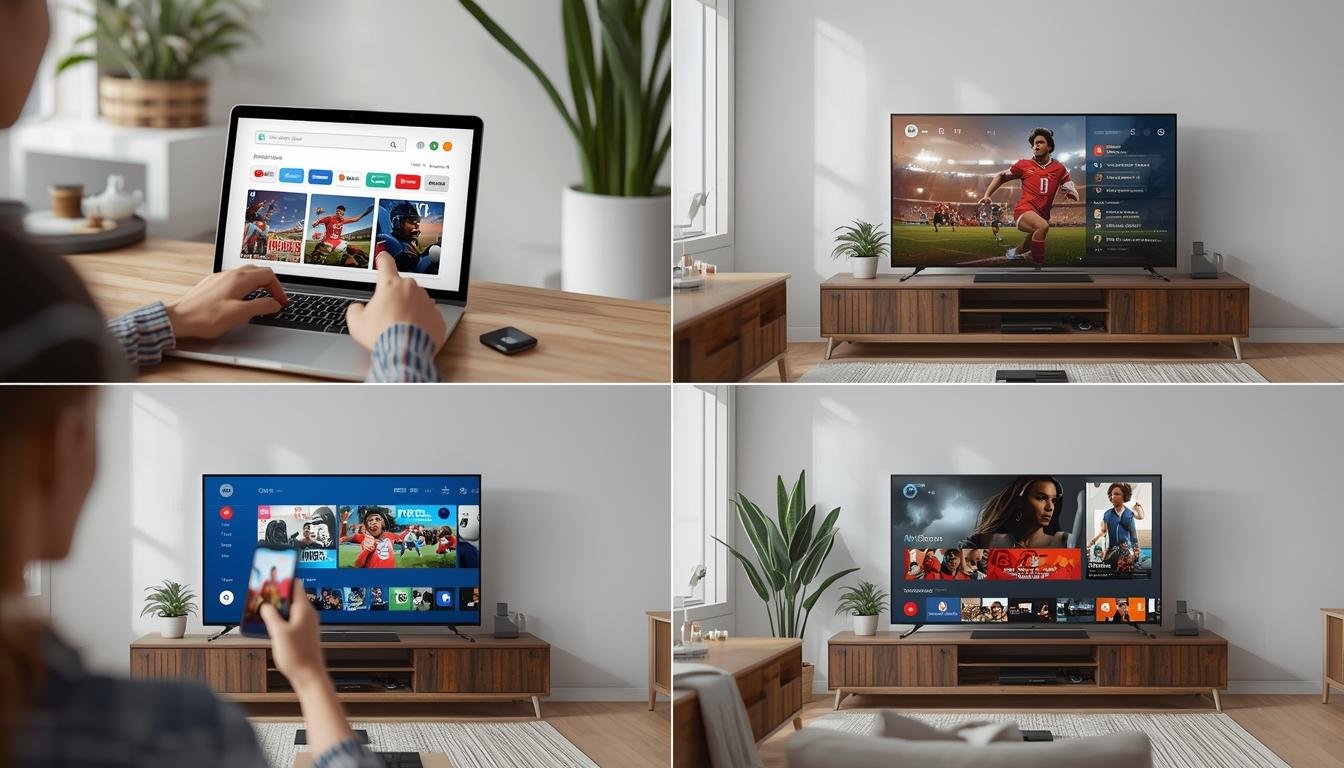
Follow these detailed instructions to set up your IPTV system:
1. Choose Your IPTV Provider
– Research providers offering the best iptv 2026 experiences
– Compare channel lineups, pricing, and user reviews
– Check for free trials before committing
– Verify compatibility with your devices
– Look for providers offering the best iptv service 2026 with customer support options
2. Purchase a Subscription
– Select your preferred subscription length (monthly, quarterly, yearly)
– Complete payment through secure methods
– Save your subscription details and activation information
– Check your email for login credentials and setup instructions
3. Prepare Your Device
– Connect your device to your television
– Ensure stable internet connection (wired preferred for best results)
– Update device firmware to the latest version
– Clear cache if using a previously installed device
4. Install IPTV Player Application
For Firestick/Fire TV:
– Go to Settings > Device > Developer Options
– Enable “Apps from Unknown Sources”
– Install Downloader app from Amazon App Store
– Use Downloader to install your preferred IPTV player
For Android TV/Box:
– Enable installation from unknown sources in settings
– Download and install your preferred IPTV player APK
– Verify installation completed successfully
For Smart TVs:
– Access app store (Samsung Store, LG Content Store, etc.)
– Search for and install compatible IPTV players
– Follow on-screen setup instructions
5. Configure Your IPTV Service
– Open your installed IPTV player app
– Select “Add Playlist” or similar option
– Enter your M3U URL or upload your playlist file
– Add EPG (Electronic Program Guide) if provided
– Enter your username and password when prompted
– Allow initial channel loading to complete
6. Customize Settings
– Adjust video quality settings based on your internet speed
– Configure buffering options (increase for slower connections)
– Set up favorite channels for quick access
– Customize UI appearance and layout preferences
– Enable parental controls if needed
– Configure recording settings if applicable
7. Test Performance
– Check multiple channels across different categories
– Verify stream stability and quality
– Test different playback resolutions
– Ensure EPG information is displaying correctly
– Check recording functionality if applicable
Following these detailed steps will ensure you have a properly configured IPTV system ready for enjoyment. Remember to periodically check for application updates to maintain optimal performance.
Benefits & Advantages
IPTV offers numerous benefits over traditional television services:
Cost Efficiency
– Significant savings compared to cable or satellite packages
– No need for expensive equipment rentals
– Flexible subscription options (monthly, quarterly, yearly)
– No installation fees or service calls
Content Variety
– Access to thousands of channels from around the world
– International content in multiple languages
– Specialty channels not available on traditional platforms
– Sports packages with comprehensive global coverage
– Movie and TV show libraries with on-demand options
Viewing Flexibility
– Watch on multiple devices simultaneously
– No geographical restrictions (with VPN)
– Time-shifting capabilities to watch programs at your convenience
– Recording options for later viewing
– Pause, rewind, and fast-forward live TV
Technical Advantages
– Higher video quality options (HD, 4K, even 8K)
– Lower bandwidth usage compared to some streaming services
– Customizable interface and organization
– Integration with home automation systems
– Voice control compatibility with many devices
Convenience Features
– Electronic Program Guide with detailed information
– Search functionality across all content
– Categorized channel listings
– Favorites lists for quick access
– Multi-screen viewing options
These benefits make IPTV an attractive alternative to traditional television services, especially for tech-savvy users and those seeking international content.
Tips, Alternative Methods, or Optimization Advice
Performance Optimization
– Use wired Ethernet connections whenever possible
– Configure buffer size appropriately (larger for unstable connections)
– Close background applications while streaming
– Set video quality to match your internet speed
– Schedule system restarts to clear memory
Alternative Applications
– TiviMate: Best for customization and advanced features
– IPTV Smarters: User-friendly with good compatibility
– Perfect Player: Lightweight option for older devices
– GSE Smart IPTV: Excellent for iOS users
– Kodi with IPTV add-ons: Highly customizable but more complex
VPN Recommendations
– Use a VPN service with dedicated streaming servers
– Select VPN locations closest to your IPTV provider’s servers
– Enable split tunneling to route only IPTV traffic through VPN
– Verify your VPN doesn’t log activity
– Test different VPN protocols for optimal performance
Storage Solutions
– Use external USB storage for recording on compatible devices
– Network Attached Storage (NAS) for whole-home recording access
– Cloud recording services if supported by your provider
– Schedule automatic cleanup of old recordings
Alternative Setups
– Multi-room viewing with networked devices
– Combined OTA antenna + IPTV setup for local channels
– IPTV as a secondary system alongside streaming services
– Mobile viewing setup for travel
Implementing these optimization techniques and exploring alternatives will help you create a tailored IPTV experience that meets your specific needs and technical environment.
Common Mistakes to Avoid
Many users encounter preventable issues when setting up and using IPTV services. Here are the most common mistakes and their solutions:
Choosing Unreliable Providers
– Mistake: Selecting providers based solely on price without researching reliability
– Solution: Read user reviews, test with short-term subscriptions first, and verify uptime guarantees
Inadequate Internet Connection
– Mistake: Attempting to stream HD/4K content on insufficient bandwidth
– Solution: Perform speed tests, upgrade your internet plan if needed, or adjust quality settings accordingly
Improper Device Selection
– Mistake: Using underpowered or outdated devices for IPTV streaming
– Solution: Invest in dedicated streaming devices with sufficient processing power and memory
Ignoring Buffer Settings
– Mistake: Using default buffer settings regardless of connection quality
– Solution: Increase buffer size for unstable connections, decrease for powerful networks to reduce latency
Skipping VPN Protection
– Mistake: Streaming without privacy protection
– Solution: Use a reputable VPN service that doesn’t throttle streaming traffic
Poor Network Configuration
– Mistake: Relying on weak Wi-Fi signals in distant rooms
– Solution: Use mesh Wi-Fi systems, wired connections, or Wi-Fi extenders
Outdated Software
– Mistake: Neglecting to update applications and firmware
– Solution: Enable automatic updates or perform manual updates monthly
Improper Playlist Management
– Mistake: Using outdated playlists or incorrect credentials
– Solution: Verify playlist URLs regularly, save backup copies, and check for provider updates
Ignoring Security Risks
– Mistake: Installing apps from unverified sources
– Solution: Use official app stores or verified downloads, scan files before installation
Unrealistic Expectations
– Mistake: Expecting 100% uptime and perfect performance
– Solution: Understand the limitations of IPTV technology and have backup entertainment options
Avoiding these common pitfalls will significantly improve your IPTV experience and prevent many of the frustrations new users typically encounter.
Maintenance & Ongoing Care
To ensure continued optimal performance of your IPTV system, regular maintenance is essential:
Weekly Maintenance
– Clear application cache in your IPTV player
– Restart streaming devices to free up memory
– Check for player app updates
– Verify playlist status and refresh if needed
Monthly Maintenance
– Update firmware on all streaming devices
– Run internet speed tests to verify consistent performance
– Check for router firmware updates
– Review subscription status and renew if necessary
– Test alternative IPTV players for improved performance
Quarterly Maintenance
– Deep clean streaming devices (dust removal)
– Reorganize favorite channels list
– Back up configuration settings
– Evaluate current provider against alternatives
– Check all cables and connections for wear
Technical Optimizations
– Consider upgrading older streaming devices every 2-3 years
– Periodically reset network equipment
– Maintain at least 20% free storage on your devices
– Update DNS settings for potentially faster connections
– Consider dedicated streaming devices for heavily used systems
Troubleshooting Protocol
Develop a systematic approach to problems:
1. Restart the application
2. Restart the device
3. Check internet connectivity
4. Verify subscription status
5. Clear cache and temporary files
6. Reinstall application if problems persist
7. Contact provider support with specific error information
Regular maintenance prevents many common issues before they impact your viewing experience and extends the effective life of your equipment.
Conclusion
The world of IPTV continues to evolve rapidly, offering increasingly sophisticated features and improved reliability. Finding the best iptv 2026 solution depends on your specific needs, technical setup, and content preferences. Throughout this guide, we’ve covered everything from initial setup to ongoing maintenance, providing you with the knowledge to make informed decisions and troubleshoot common issues.
Remember that the best iptv service 2026 for your specific situation balances reliability, content variety, technical support, and value. By following the steps and recommendations outlined in this guide, you’ll be well-equipped to enjoy a premium streaming experience with minimal interruptions.
As technology continues to advance, stay informed about new developments in the IPTV landscape. Regular updates to your equipment and software will ensure you continue to enjoy the benefits of this flexible and powerful entertainment option for years to come.
FAQs
Is IPTV legal to use in 2026?
IPTV technology itself is completely legal, similar to how web browsers are legal tools. However, the legality depends on the content being streamed. Official IPTV services from licensed providers are legal, while services offering premium content without proper licensing may violate copyright laws. Always research providers thoroughly and consider using services that have proper licensing agreements.
How much internet speed do I need for reliable IPTV streaming?
For standard definition (SD) content, a minimum of 10 Mbps is recommended. High definition (HD) content requires 25 Mbps or higher, while 4K streaming needs at least 50 Mbps. For households with multiple simultaneous streams, add approximately 25 Mbps per additional HD stream. Always account for other internet usage in your household when calculating required bandwidth.
Why does my IPTV buffer even with a fast internet connection?
Buffering despite fast internet can occur due to several factors: network congestion at peak hours, Wi-Fi interference, outdated streaming device hardware, insufficient device memory, server issues with your IPTV provider, or improper buffer settings in your IPTV player. Try using a wired connection, adjusting buffer settings, clearing device cache, or contacting your provider to resolve persistent buffering issues.
Can I use one IPTV subscription on multiple devices?
This depends entirely on your service provider’s policies. Many providers allow 1-5 concurrent connections from a single subscription, while others restrict usage to one device at a time. Some offer tiered plans with different numbers of allowed connections. Always check the terms of service before attempting to use your subscription on multiple devices simultaneously to avoid account suspension.
How can I record shows from my IPTV service?
Many IPTV applications include built-in recording functionality. To record content, you’ll need sufficient storage space on your device or an external storage solution. Configure your IPTV player’s recording settings, select the program you wish to record from the EPG, and set up either a one-time or recurring recording. Alternatively, some providers offer cloud recording services that don’t require local storage.
Leave a Reply