How to Set Up and Optimize Your IPTV Streaming Experience
Are you looking to enhance your entertainment options with flexible, on-demand content? Setting up a deiptv system offers a modern alternative to traditional cable services. The growing popularity of deiptv streaming service options provides viewers with more control over their viewing experience while potentially reducing monthly entertainment costs. This comprehensive guide will walk you through everything you need to know about setting up, optimizing, and maintaining your IPTV system for the best possible streaming experience.
Devices & Requirements
Before diving into the setup process, it’s important to understand what equipment and specifications you’ll need for a smooth IPTV experience:
Compatible Devices
– Smart TVs: Most modern smart TVs (Samsung, LG, Sony, etc.) have built-in capabilities to run IPTV apps
– Amazon Firestick/Fire TV: Popular and affordable option for converting any TV into a streaming device
– Android TV Box: Dedicated boxes like NVIDIA Shield, Xiaomi Mi Box, or generic Android TV boxes
– Mobile Devices: Smartphones and tablets (both iOS and Android)
– Computers: Windows PCs, Macs, and laptops with appropriate software
Internet Requirements
– Minimum Speed: At least 10 Mbps for standard definition content
– Recommended Speed: 25+ Mbps for HD content, 50+ Mbps for 4K streaming
– Connection Type: Wired ethernet connection preferred for stability, though strong Wi-Fi works too
Software Components
– IPTV Player App: VLC Media Player, Perfect Player, IPTV Smarters, TiviMate, or GSE Smart IPTV
– M3U Playlist: The subscription list containing your channels and content
– EPG (Electronic Program Guide): For channel schedules and program information
Optional Tools
– VPN Service: For enhanced privacy and potential access to geo-restricted content
– External Storage: For recording capabilities on some systems
– Ethernet Adapter: For devices that support USB-to-Ethernet connections
Setup Time & Preparation
Before beginning the installation process, it’s helpful to know what time investment to expect:
– Total Setup Time: 15-45 minutes depending on your technical experience and chosen device
– Learning Curve: Moderate for beginners, minimal for tech-savvy users
– Preparation Steps:
– Research and select a reputable IPTV provider
– Ensure your internet connection is stable and meets minimum requirements
– Download necessary apps to your preferred device
– Have your subscription details (M3U URL, username/password) ready
– Set aside uninterrupted time to complete the setup
The initial configuration is typically a one-time process, with only occasional updates or changes needed afterward. Taking time to properly set up your system will lead to fewer issues and a better viewing experience in the long run.
Step-by-Step Instructions
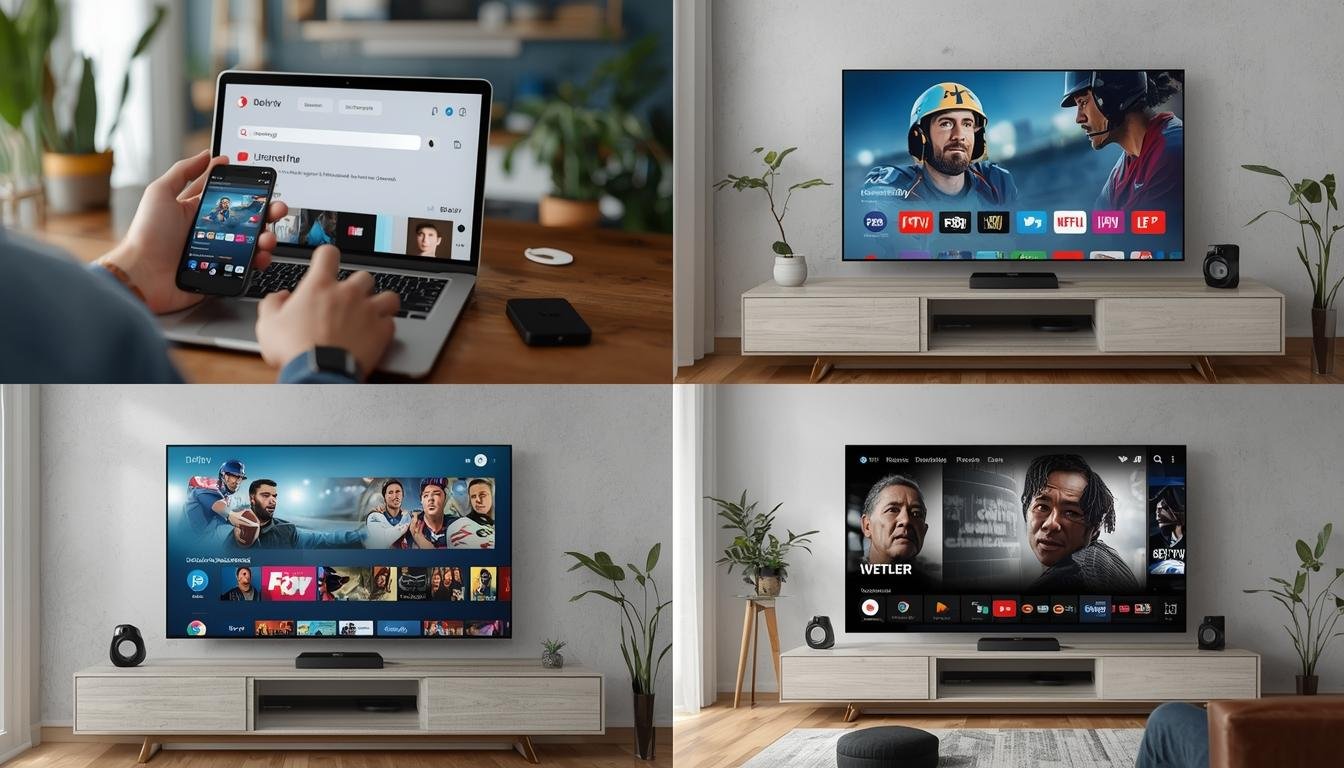
Follow these detailed instructions to set up your deiptv system on your preferred device:
1. Choose and Subscribe to an IPTV Provider
– Research providers based on content selection, reliability, and customer reviews
– Select a subscription plan (typically monthly, quarterly, or annual)
– Complete payment and receive your account credentials
– Save your M3U playlist URL and any login information provided
2. Set Up Your Device
For Firestick/Fire TV:
1. Go to the Amazon App Store
2. Search for and download an IPTV player app (TiviMate, IPTV Smarters, etc.)
3. Open the installed app and follow the initial setup prompts
4. Select “Add Playlist” or similar option
5. Enter your M3U URL or upload your playlist file
6. Add EPG URL if provided by your deiptv streaming service
7. Wait for channels to load and organize
For Android TV Box:
1. Open Google Play Store
2. Search for and install your preferred IPTV player app
3. Launch the app and navigate to settings
4. Select option to add new playlist
5. Enter the M3U URL or upload your playlist file
6. Configure EPG if available
7. Customize interface settings to your preference
For Smart TVs:
1. Access your TV’s app store
2. Search for compatible IPTV players
3. Install the app and open it
4. Navigate to add new playlist/source
5. Enter your subscription details
6. Set up EPG and customize user interface
7. Organize channels into favorites if desired
3. Optimize Your Settings
After basic setup, fine-tune these settings for the best experience:
– Video Quality: Adjust based on your internet speed
– Buffer Size: Increase if you experience playback interruptions
– EPG Timeframe: Set how many days of program guide to download
– UI Customization: Adjust channel view, font size, and layout
– Favorites: Mark your most-watched channels for easy access
4. Test Your Connection
– Play different channels to ensure proper functionality
– Check stream quality at different times of day
– Test VOD (Video on Demand) content if included in your package
– Verify EPG accuracy and completeness
Benefits & Advantages
IPTV systems offer numerous advantages over traditional television services:
Content Variety
– Access to thousands of channels from around the world
– International content in multiple languages
– Specialized channels not available on standard cable packages
– VOD libraries with movies and TV series
Flexibility and Convenience
– Watch on multiple devices with a single subscription
– No need for satellite dishes or complex cable installations
– Take your content anywhere with mobile device compatibility
– Time-shifting capabilities to watch programs when convenient
Cost Effectiveness
– Generally more affordable than traditional cable packages
– No equipment rental fees or long-term contracts
– Pay only for the content types you want
– Multiple device support without additional fees
Technical Advantages
– Potentially higher video quality (up to 4K where supported)
– Digital integration with smart home systems
– Custom channel organization and favorites
– Recording capabilities on compatible systems
Tips, Alternative Methods, or Optimization Advice
Connection Optimization
– Use wired ethernet connections whenever possible
– Place your Wi-Fi router centrally if using wireless
– Consider a mesh Wi-Fi system for large homes
– Schedule heavy downloads during non-viewing hours
– Limit the number of simultaneous streaming devices
Alternative Player Apps
– Perfect Player: Great for customization and stability
– TiviMate: Premium interface with advanced features
– VLC Media Player: Free, open-source option with broad compatibility
– GSE Smart IPTV: Good for iOS users
– IPTV Smarters Pro: User-friendly interface for beginners
Performance Tips
– Regularly clear cache in your IPTV application
– Restart your streaming device weekly
– Keep your player app updated to the latest version
– Use external player options for problematic streams
– Consider a dedicated streaming device rather than using a smart TV’s built-in apps
Common Mistakes to Avoid
Be aware of these frequent issues that can impact your IPTV experience:
Technical Mistakes
– Using Outdated Hardware: Older devices may struggle with high-definition streams
– Inadequate Internet Speed: Attempting to stream 4K content on low-bandwidth connections
– Improper Settings Configuration: Not adjusting buffer settings for your connection type
– Overloading Your Network: Running too many simultaneous streams
– Ignoring VPN Requirements: Some providers perform better with or require VPN usage
Subscription Errors
– Choosing Unreliable Providers: Selecting services based solely on price without researching stability
– Not Backing Up Configuration: Losing all settings when changing devices
– Sharing Credentials Inappropriately: Risking account termination through unauthorized sharing
– Missing Renewal Dates: Experiencing service interruption due to expired subscriptions
Security Concerns
– Using Untrustworthy Applications: Installing apps from unknown sources without verification
– Neglecting Device Updates: Missing security patches that protect your system
– Clicking Suspicious Links: Following unknown links in IPTV apps or related communications
– Storing Payment Information Insecurely: Not using secure payment methods for subscriptions
Maintenance & Ongoing Care
To keep your IPTV system running optimally, establish these maintenance routines:
Regular Updates
– Check for app updates weekly
– Update your streaming device firmware when available
– Renew subscriptions before expiration
– Refresh playlist and EPG data regularly
Performance Maintenance
– Clear cache files monthly (or when experiencing issues)
– Monitor device storage space and free up when necessary
– Restart streaming devices weekly to clear memory
– Test internet speed periodically to ensure it meets requirements
Troubleshooting Routine
– Develop a standard checklist for common issues:
1. Check internet connection
2. Refresh playlist
3. Clear cache
4. Restart application
5. Restart device
6. Contact provider support if issues persist
Long-term Considerations
– Evaluate subscription value annually
– Upgrade hardware every 2-3 years for best performance
– Keep backup configurations for quick setup on new devices
– Monitor for new player apps with improved features
Conclusion
Setting up a deiptv system may require some initial effort, but the rewards of a personalized, flexible viewing experience make it worthwhile for many users. By following the steps outlined in this guide and implementing the recommended optimization techniques, you’ll be well on your way to enjoying a stable and feature-rich streaming setup.
Remember that the quality of your experience depends on several factors including your internet connection, chosen hardware, and the reliability of your deiptv streaming service provider. Take the time to research and test different configurations to find what works best for your specific needs and viewing habits.
As streaming technology continues to evolve, stay informed about new developments and be prepared to adapt your setup accordingly. With proper maintenance and occasional updates, your IPTV system can provide years of enjoyable entertainment.
FAQs
Is IPTV legal to use?
IPTV technology itself is completely legal. However, the legality depends on the content provider and whether they have proper licensing for the content they distribute. Always research providers to ensure they operate legally in your jurisdiction.
Why does my stream buffer frequently?
Buffering is typically caused by insufficient internet speed, network congestion, or server issues from your provider. Try lowering the stream quality, using a wired connection instead of Wi-Fi, or contacting your provider to see if they’re experiencing server problems.
Can I use one IPTV subscription on multiple devices?
Most providers allow 1-4 simultaneous connections depending on your subscription plan. Check your provider’s terms of service for specific limitations, as exceeding allowed connections may result in service suspension.
Do I need a VPN for IPTV streaming?
While not always required, a VPN can improve streaming performance by preventing ISP throttling and enhancing privacy. Some providers specifically recommend using a VPN, while others may not work properly with one. Test both methods to determine what works best with your setup.
How often should I update my IPTV application?
It’s best to keep your IPTV application updated to the latest version available. Check for updates at least once a month, or enable automatic updates if your device supports this feature. Updated apps often include bug fixes and performance improvements.
Leave a Reply