Exploring IPTV Streaming Options Without Commitment
Have you ever wanted to explore a vast world of international channels and on-demand content without immediately paying for a subscription? Today’s streaming landscape offers numerous opportunities to test services before committing financially. Finding an iptv free trial can be an excellent way to determine if a particular service meets your entertainment needs. Many consumers specifically search for the best iptv service free trial no credit card options to avoid potential unexpected charges or having to remember to cancel before a trial period ends. This approach allows viewers to thoroughly test streaming quality, channel selection, and user interface before making any financial commitment.
Table of Contents
Devices & Requirements
To properly utilize IPTV services, you’ll need to ensure you have the right equipment and technical setup. Here’s what you’ll typically need:
1. Compatible Devices:
– Smart TV (Samsung, LG, Sony with smart capabilities)
– Amazon Firestick or Fire TV
– Android TV Box
– Apple TV
– Nvidia Shield
– Smartphones and tablets (iOS/Android)
– PC or Mac computers
2. Internet Connection:
– Minimum 10 Mbps download speed for SD content
– 25+ Mbps recommended for HD content
– 50+ Mbps for 4K streaming
– Wired connection preferred for stability
3. Software Requirements:
– IPTV player apps (VLC, Perfect Player, IPTV Smarters, GSE Smart IPTV)
– Web browsers for web-based services
– Optional: External media players
4. Additional Equipment (Optional):
– External storage for recording (if supported)
– Quality HDMI cables for best display
– Ethernet adapter for streaming devices without Ethernet ports
The beauty of most modern IPTV solutions is their flexibility across multiple devices, allowing you to test services on your preferred viewing platform.
Setup Time & Preparation
Before diving into IPTV trial setup, it’s important to understand the time commitment and preparation required:
Preparation Time: 10-30 minutes
Setup Duration: 15-45 minutes (depending on technical experience)
Learning Curve: Moderate (easier for tech-savvy users)
Prior to beginning setup, gather all necessary information:
– Device credentials (usernames/passwords)
– WiFi network details
– App store access
– Email address for registration
– Device specifications
Most trials can be fully configured within an hour, though complete familiarization with service features might take a day or two of casual use. The initial setup is typically straightforward, especially with newer user-friendly interfaces. However, some technical comfort with installing apps and entering connection details will be helpful.
Set aside uninterrupted time for the initial configuration, as interruptions might require restarting certain steps. Having all devices powered on and updated before beginning will streamline the process significantly.
Step-by-Step Instructions
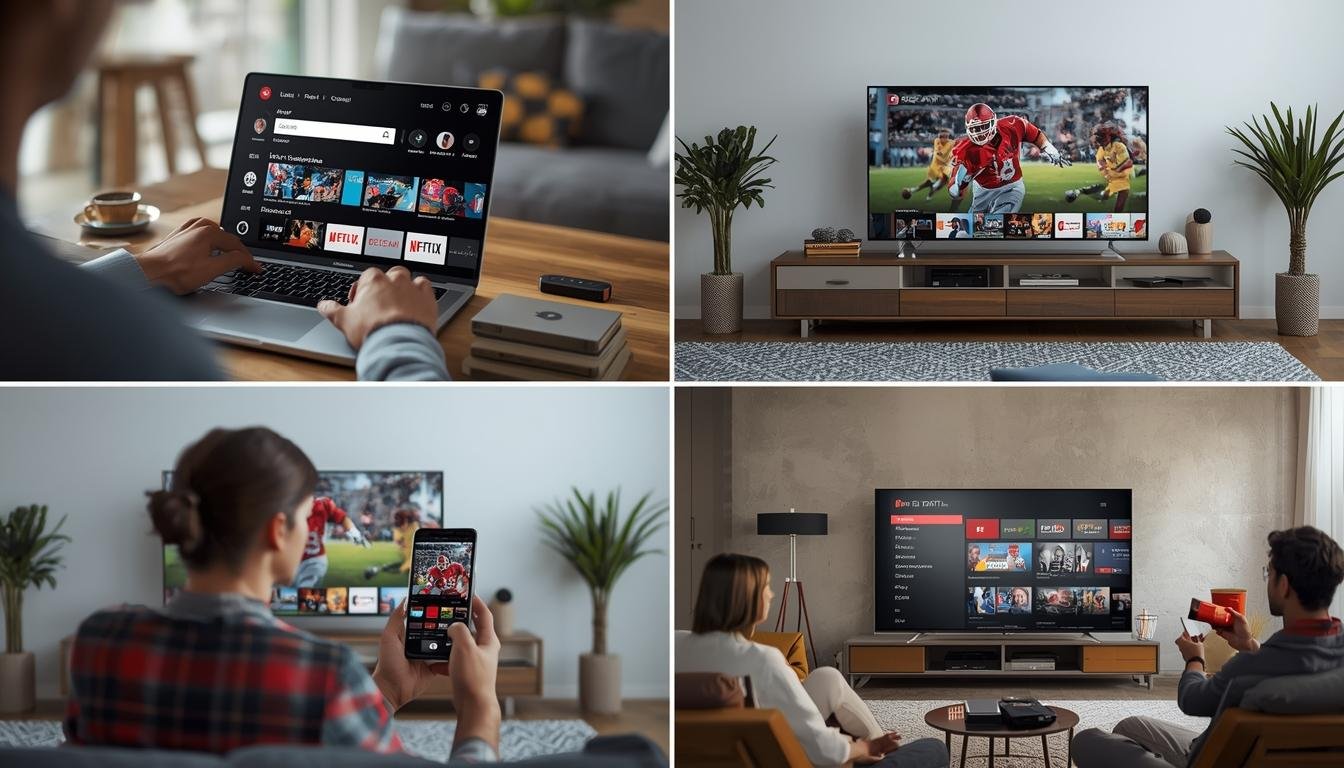
Setting up an iptv free trial is relatively straightforward when you follow these steps:
1. Research Available Trials
– Search for providers offering trial periods
– Look specifically for those advertising a best iptv service free trial no credit card if you prefer not sharing payment details
– Check provider reviews and forum discussions for reliability
– Verify channel lists match your viewing preferences
2. Sign Up for a Trial
– Visit the provider’s official website
– Locate the trial offer section
– Complete registration form (typically email, name, password)
– Verify your email if required
– Note trial duration (typically 24-48 hours)
3. Install the Required App
– For Firestick/Fire TV: Search in Amazon App Store
– For Android TV: Check Google Play Store
– For smartphones: App Store (iOS) or Play Store (Android)
– For Windows/Mac: Download directly from provider website
4. Configure Your Service
– Launch the installed app
– Enter your login credentials
– Input M3U URL or provider API details if required
– Allow the app to load channel data (may take 1-2 minutes)
– Organize favorites and preferences
5. Test Functionality
– Check various channel categories
– Test streaming quality at different times
– Verify VOD (Video On Demand) if included
– Test on multiple devices if possible
– Check EPG (Electronic Program Guide) accuracy
6. Evaluate During Trial Period
– Note buffering frequency and resolution quality
– Test at peak hours (evenings) for realistic performance
– Check customer service responsiveness
– Evaluate interface usability and navigation ease
Keep track of when your trial expires to avoid any interruption in service if you decide to subscribe. Most importantly, thoroughly test the channels and content you’re most interested in to determine if the service meets your specific needs.
Benefits & Advantages
Exploring IPTV trials offers numerous advantages that make them worth considering:
Content Variety and Accessibility
– Access to thousands of international channels not available through traditional cable
– Specialized content including sports, movies, documentaries from various regions
– Multi-language programming options
– Niche channels catering to specific interests
Financial Benefits
– No immediate financial commitment
– Ability to compare multiple services before purchasing
– Potential savings compared to traditional cable packages
– Pay only for content you actually want
Technical Advantages
– Multi-device compatibility (watch on TV, phone, tablet, computer)
– HD and 4K streaming options (provider-dependent)
– Time-shifting capabilities for live TV
– On-demand content libraries
– DVR functionality with some services
User Experience
– Customizable channel lists and favorites
– Modern, intuitive interfaces
– Electronic Program Guides (EPG)
– Search functionality across channels
– Category-based browsing
Flexibility
– No long-term contracts required
– Watch anywhere with internet access
– Multiple simultaneous streams (varies by provider)
– No equipment rental fees or installation charges
The ability to test these features without commitment represents significant value, allowing consumers to make informed decisions based on actual usage experience rather than marketing claims.
Tips, Alternative Methods, or Optimization Advice
Maximize your IPTV experience with these optimization techniques and alternatives:
Network Optimization
– Use wired connections whenever possible
– Position your WiFi router centrally if using wireless
– Consider a mesh WiFi system for larger homes
– Schedule large downloads outside of IPTV viewing times
– Update router firmware regularly
– Use Quality of Service (QoS) settings to prioritize streaming
Device Selection Strategies
– Dedicated devices often perform better than multi-purpose ones
– Consider Android boxes with 4GB+ RAM for smoother performance
– Firestick 4K provides excellent value for streaming capability
– Shield TV offers premium performance for power users
– Keep all devices updated with latest firmware/software
Alternative Approaches
– Legal streaming aggregators (Plex, Emby) with appropriate plugins
– Free legal IPTV options (Pluto TV, Samsung TV Plus)
– OTA antenna combined with streaming services
– Regional IPTV providers often offer better local content
Playback Optimization
– Adjust buffer settings in advanced IPTV players
– Use external players (VLC, MX Player) for problematic streams
– Reduce resolution during peak hours if experiencing buffering
– Close background apps when streaming on mobile devices
– Clear cache regularly on streaming apps
Content Discovery Tips
– Use EPG data for scheduling viewing
– Create custom playlists of favorite channels
– Utilize provider’s categorization features
– Set reminders for special events or shows
These optimizations can significantly improve your IPTV trial experience, providing a more accurate picture of the service quality under ideal conditions.
Common Mistakes to Avoid
When testing IPTV services, avoid these frequent pitfalls that can negatively impact your experience:
Technical Missteps
– Using outdated devices with insufficient processing power
– Running too many background applications during streaming
– Attempting 4K content on inadequate internet connections
– Not updating apps before testing
– Using public/shared WiFi for streaming tests
Evaluation Errors
– Testing only during off-peak hours (not representative)
– Judging service quality based on a single channel
– Not exploring the full channel list
– Forgetting to test video-on-demand features
– Ignoring electronic program guide functionality
Security Oversights
– Providing credit card details when unnecessary
– Downloading apps from unofficial sources
– Skipping terms of service review
– Using the same password across multiple services
– Not checking provider privacy policies
Planning Problems
– Starting a trial during busy periods when you can’t properly test
– Forgetting trial end dates
– Not checking device compatibility beforehand
– Testing on only one device type
– Failing to test customer support responsiveness
Expectation Management
– Expecting cable-like stability from all IPTV services
– Assuming all advertised channels will work perfectly
– Not accounting for geographical content restrictions
– Expecting instant technical support with free trials
– Comparing budget services to premium offerings
By avoiding these common mistakes, you’ll be able to properly evaluate IPTV services and make an informed decision based on accurate performance assessment.
Maintenance & Ongoing Care
To ensure optimal performance of your IPTV service after the trial period, implement these maintenance practices:
Regular App Maintenance
– Clear cache weekly (prevents buildup of temporary files)
– Update apps when new versions are released
– Restart devices occasionally to free system resources
– Remove unused apps that might run in background
– Keep sufficient free storage space on devices
Network Maintenance
– Restart router monthly to clear connection issues
– Check for firmware updates quarterly
– Test internet speeds periodically
– Consider dedicated bandwidth for streaming during peak usage
– Monitor for unusual network activity
Account Management
– Update passwords regularly
– Check subscription status before expected renewal
– Keep payment methods current
– Review provider communications for service changes
– Maintain updated contact information
Performance Optimization
– Adjust video quality settings based on network conditions
– Schedule system updates during non-viewing hours
– Monitor device temperature during extended viewing
– Close unnecessary apps before streaming
– Consider cooling solutions for devices used extensively
Content Organization
– Regularly update favorites lists
– Remove channels you never watch from quick access
– Create custom categories for easier navigation
– Set reminders for special events
– Review recording schedules periodically
Implementing these maintenance practices will ensure your IPTV experience remains smooth and enjoyable long after the trial period concludes.
Conclusion
Exploring the world of IPTV streaming can dramatically transform your entertainment options, giving you access to content from around the globe. Starting with an iptv free trial allows you to make an informed decision without financial risk. For those concerned about providing payment details upfront, seeking a best iptv service free trial no credit card option provides additional peace of mind during the evaluation process.
The key to success lies in thorough testing across different times and content types, while ensuring your network and devices are optimally configured. Remember that performance can vary based on many factors including your internet connection, device capabilities, and the service provider’s infrastructure.
By following the guidelines in this article, you’ll be well-equipped to evaluate IPTV services effectively and potentially discover a streaming solution that perfectly matches your viewing preferences and technical requirements.
FAQs
How long do most IPTV free trials last?
Most IPTV free trials typically last between 24-72 hours, though some providers may offer extended trials of up to 7 days. The duration is usually sufficient to test basic functionality, channel availability, and streaming quality during different times of day. For comprehensive testing, providers offering 48+ hours provide the best evaluation opportunity.
Do I need a VPN when using IPTV services?
While not strictly required, many users choose to use a VPN with IPTV services for added privacy, potential improvement in streaming stability (especially if your ISP throttles streaming), and access to geo-restricted content. However, VPNs may occasionally reduce speed, so testing both with and without during your trial period is recommended to determine the optimal setup for your specific situation.
Can I use the same IPTV subscription on multiple devices simultaneously?
This depends entirely on the provider’s policies. Some services allow 1-2 simultaneous connections as standard, while others offer multi-connection packages supporting 5+ devices at once. During your trial, test concurrent streaming on different devices to confirm if connection limits are enforced and how the service handles multiple streams on your network.
What’s the difference between M3U playlists, APK applications, and MAG/STB configurations for IPTV?
These are different methods to access IPTV services. M3U playlists are universal URL-based playlists that work with many players across different platforms. APK applications are Android-specific apps custom-built by the provider. MAG/STB configurations work with specific set-top box hardware using portal URLs and device MAC addresses. Each offers different advantages in terms of security, ease of use, and feature set.
How can I determine if an IPTV service is reliable before subscribing?
Beyond utilizing the free trial, research the provider’s reputation on forums like Reddit and dedicated IPTV communities. Test the service during peak hours (typically evenings) when server load is highest. Evaluate customer support responsiveness by asking pre-sales questions. Check how frequently the channel list is updated and whether the provider offers compensation for significant downtime. These factors collectively indicate long-term reliability.
Leave a Reply