The Ultimate Guide to Understanding Streaming Services in 2024
Introduction
Have you ever wondered how to access a vast library of entertainment options without the hefty cable bill? In today’s digital age, streaming services have revolutionized how we consume media. For residents seeking iptv in usa options, the choices can be overwhelming with numerous providers claiming to offer the best iptv service USA experience. This comprehensive guide will walk you through everything you need to know about streaming services, from basic setup requirements to optimization techniques that ensure smooth playback. Whether you’re a streaming novice or looking to enhance your current setup, this article provides valuable insights to transform your viewing experience.
Devices & Requirements
To enjoy streaming services effectively, you’ll need a few essential components:
Smart TV: Most modern televisions come with built-in streaming capabilities, allowing direct access to popular streaming platforms.
Streaming Devices: If your TV lacks smart features, consider these options:
– Amazon Firestick: Affordable and user-friendly
– Roku: Offers a neutral platform with access to most services
– Apple TV: Seamless integration with Apple ecosystem
– Chromecast: Budget-friendly option for Google users
– Android TV Box: Versatile option with customization capabilities
Internet Connection: A stable internet connection is crucial for uninterrupted streaming:
– Minimum 5 Mbps for standard definition content
– 15-25 Mbps for HD streaming
– 25+ Mbps for 4K content
– Ethernet connection preferred over Wi-Fi for stability
Streaming Applications: Popular streaming apps include Netflix, Hulu, Disney+, HBO Max, and specialized IPTV applications.
Optional Equipment:
– External storage for downloaded content
– Quality HDMI cables for optimal signal transmission
– VPN service for privacy and accessing geo-restricted content
– Universal remote for controlling multiple devices
Setup Time & Preparation
Before diving into setup, it’s important to understand what to expect time-wise. Setting up streaming services typically takes between 15-60 minutes depending on your technical expertise and the complexity of your setup.
Preparation Checklist:
1. Verify your internet speed meets minimum requirements
2. Ensure your TV has available HDMI ports
3. Create accounts for desired streaming services
4. Download necessary applications on mobile devices for remote control
5. Have payment information ready for subscription services
6. Prepare a comfortable viewing area with appropriate lighting
For those considering specialized services, researching legitimate providers is crucial. Many users find themselves frustrated after signing up with unreliable IPTV providers, so taking time to read reviews and understand service agreements pays off in the long run.
Step-by-Step Instructions
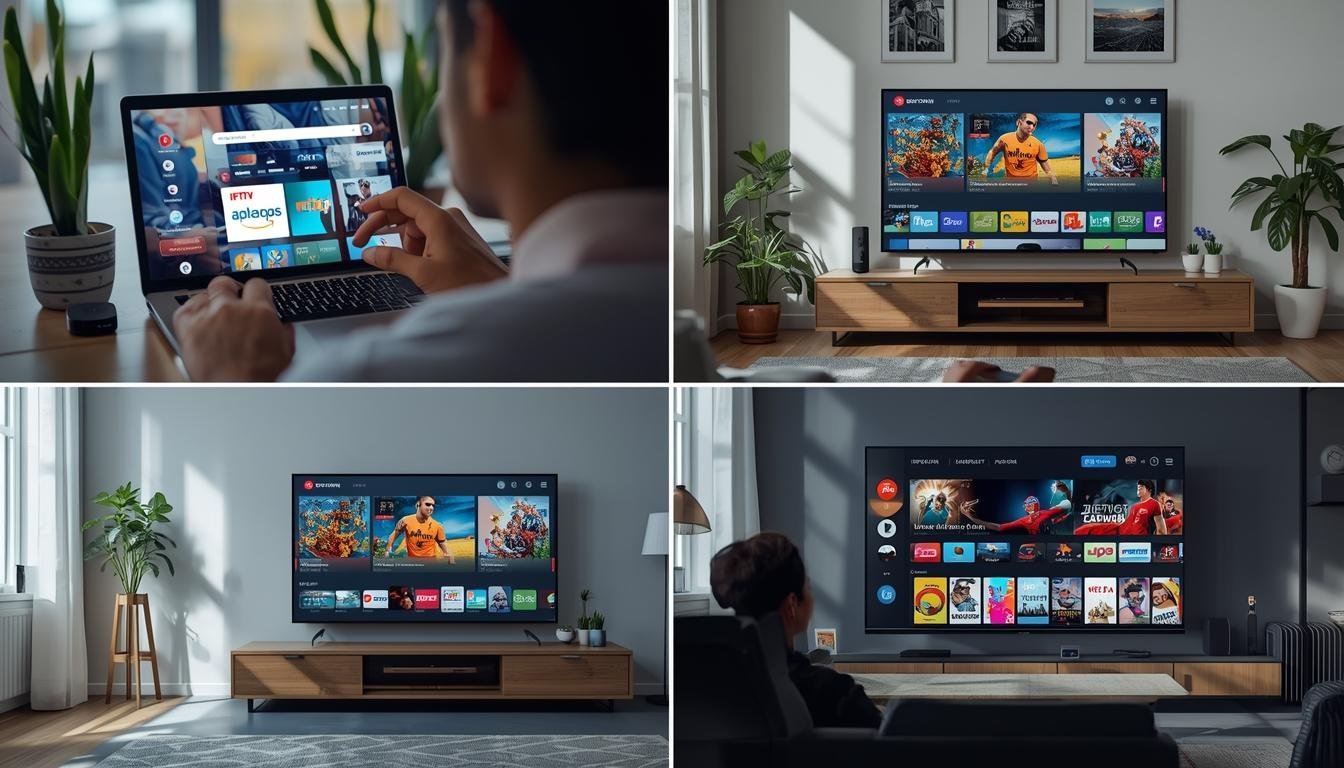
Following these straightforward steps will help you establish a reliable streaming setup:
1. Hardware Connection:
– Connect your streaming device to your TV’s HDMI port
– Plug the power adapter into an electrical outlet
– Turn on both the TV and streaming device
– Select the correct HDMI input on your TV
2. Internet Connection:
– Navigate to network settings on your device
– Select your Wi-Fi network and enter the password
– For wired connections, connect an Ethernet cable from your router to the device
– Test connection speed through device settings
3. Account Setup:
– Create accounts for desired streaming platforms
– Follow on-screen instructions to activate subscriptions
– Link payment methods securely
4. Application Installation:
– Navigate to your device’s app store
– Search for and download preferred streaming applications
– For those seeking iptv in usa solutions, research providers offering the best iptv service USA options with legal content
5. Optimize Settings:
– Adjust video quality based on your internet capabilities
– Configure audio settings for optimal sound experience
– Set parental controls if necessary
– Enable auto-play or disable it based on preference
6. Create User Profiles:
– Set up individual profiles for household members
– Customize content preferences and viewing history
– Establish viewing restrictions for children
Benefits & Advantages
Streaming services offer numerous advantages over traditional cable or satellite:
Cost Efficiency: Most streaming services cost significantly less than cable packages, especially when selectively subscribing to preferred content.
Content Variety: Access thousands of movies, TV shows, documentaries, and exclusive content not available on traditional television.
On-Demand Viewing: Watch what you want, when you want, without adhering to broadcast schedules.
Multiple Device Access: Use the same subscription across phones, tablets, computers, and TVs.
No Contract Commitments: Most streaming services operate on monthly subscriptions without long-term contracts.
Personalized Recommendations: Algorithms suggest content based on viewing history and preferences.
Ad-Free Options: Many premium services offer ad-free viewing experiences.
Original Programming: Access exclusive shows and movies produced by streaming platforms.
Global Content: Explore international shows and movies that might never air on local television.
Tips, Alternative Methods, or Optimization Advice
To enhance your streaming experience, consider these optimization techniques:
Network Optimization:
– Place your router in a central location
– Use mesh Wi-Fi systems for larger homes
– Schedule heavy downloads during non-viewing hours
– Consider a dedicated internet line for streaming
Device Alternatives:
– Gaming consoles (PlayStation, Xbox) offer excellent streaming capabilities
– Mini PCs can function as customizable streaming devices
– Raspberry Pi setups provide budget-friendly options for tech enthusiasts
Content Discovery Tools:
– JustWatch app helps find which service hosts specific content
– Reelgood consolidates watchlists across multiple platforms
– Letterboxd provides recommendations and tracking for movie enthusiasts
Money-Saving Strategies:
– Rotate subscriptions monthly based on viewing priorities
– Look for bundle deals (like Disney+/Hulu/ESPN+)
– Share family plans with household members
– Check for student or promotional discounts
Performance Enhancement:
– Regularly restart streaming devices to clear memory
– Update firmware and applications frequently
– Use wired connections when possible
– Close unnecessary applications running in the background
Common Mistakes to Avoid
Being aware of these common pitfalls will help you maximize your streaming experience:
Underestimating Bandwidth Requirements: Many users fail to account for multiple simultaneous streams in a household. Solution: Upgrade your internet plan or schedule heavy streaming activities at different times.
Skipping Regular Updates: Outdated apps and firmware lead to bugs and security vulnerabilities. Solution: Enable automatic updates or check for updates weekly.
Ignoring Router Placement: Poor router positioning causes dead zones and buffering. Solution: Position your router centrally, away from obstructions and interference sources.
Subscribing to Too Many Services: Managing numerous subscriptions becomes costly and overwhelming. Solution: Prioritize services based on viewing habits and rotate subscriptions seasonally.
Overlooking Free Streaming Options: Many legitimate free services offer quality content. Solution: Explore services like Pluto TV, Tubi, and network apps with free tiers.
Using Unauthorized Services: Illegitimate providers risk account security and potential legal issues. Solution: Stick with reputable, licensed service providers.
Neglecting Device Maintenance: Streaming devices accumulate cache and temporary files that impact performance. Solution: Perform regular maintenance as outlined in the next section.
Maintenance & Ongoing Care
To ensure optimal performance from your streaming setup, implement these maintenance practices:
Weekly Maintenance:
– Restart streaming devices and routers
– Check for application updates
– Clear cache on frequently used applications
Monthly Maintenance:
– Run speed tests to verify internet performance
– Check for firmware updates on all devices
– Review subscription usage and adjust as needed
– Clean physical devices to prevent dust accumulation
Quarterly Maintenance:
– Factory reset devices showing persistent issues
– Update passwords for security
– Review viewing history to optimize recommendations
– Evaluate subscription value and consider alternatives
Technical Optimizations:
– Set DNS to alternatives like Google DNS or Cloudflare for potentially faster connections
– Consider Quality of Service (QoS) settings on advanced routers to prioritize streaming traffic
– Manage household bandwidth during peak viewing times
– Implement cooling solutions for devices in enclosed spaces
Conclusion
As streaming technology continues to evolve, staying informed about the latest services and optimization techniques ensures you get the most value from your digital entertainment investment. Whether you’re using standard streaming platforms or specialized iptv in usa services, this guide provides the foundation for a seamless viewing experience. Remember that the best iptv service USA providers offer reliability, legal content, and customer support—prioritize these factors when making your selection. By following the recommendations outlined in this guide, you’ll avoid common pitfalls and enjoy uninterrupted access to your favorite content. The streaming landscape continues to expand, offering more choices and improved technology each year—making now the perfect time to optimize your setup.
FAQs
What’s the difference between standard streaming services and IPTV?
Standard streaming services like Netflix offer on-demand content through dedicated applications, while IPTV (Internet Protocol Television) typically provides live TV channels and on-demand content streamed through internet protocols. Traditional streaming services focus on original content libraries, while IPTV often replicates the cable TV experience with live channels.
How much internet speed do I really need for streaming?
For standard definition content, 3-5 Mbps is sufficient. HD content requires 5-10 Mbps, while 4K streaming demands 25+ Mbps. For households with multiple simultaneous streams, add 5-10 Mbps per additional stream. Always test your actual speeds using services like Speedtest.net rather than relying on advertised speeds.
Why does my stream buffer despite having fast internet?
Buffering can occur for several reasons beyond internet speed: network congestion during peak hours, Wi-Fi interference, outdated streaming devices, router limitations, or issues with the streaming service itself. Try switching to a wired connection, restarting your router, or reducing video quality temporarily to diagnose the issue.
Are free streaming services worth using?
Many legitimate free streaming services offer quality content with advertising support. Services like Pluto TV, Tubi, Peacock (free tier), and network apps provide substantial libraries without subscription costs. While the content may not be as current as premium services, they offer excellent supplementary entertainment without additional expense.
How can I manage multiple streaming subscriptions effectively?
Use subscription tracking apps like Truebill or Rocket Money to monitor recurring charges. Consider rotating services seasonally based on content releases—subscribe to a service when favorite shows are available, then cancel and switch to another. Many users find that 2-3 active subscriptions at any time provide sufficient content while maintaining reasonable costs.
Leave a Reply