Exploring Streaming Television Options for 2026 and Beyond
Introduction
Wondering how television viewing will evolve in the coming years? The entertainment landscape is rapidly changing, with traditional cable services giving way to more flexible streaming options. An iptv subscription2026 offers viewers unprecedented access to global content, customizable channel lineups, and on-demand features that traditional services simply cannot match. As we look toward the future iptv subscription 2026 developments, it’s clear that streaming television will continue to revolutionize how we consume media. With improved technology, expanded content libraries, and enhanced user experiences on the horizon, now is the perfect time to understand the essentials of this evolving entertainment option.
Devices & Requirements
To enjoy streaming television services effectively, you’ll need the following devices and requirements:
Smart TVs: Most modern smart TVs come with built-in capabilities to access streaming applications directly. Look for models with robust processors and updated operating systems.
Streaming Devices: Popular options include:
– Amazon Fire Stick
– Roku devices
– Apple TV
– Chromecast
– NVIDIA Shield
Android TV Boxes: These versatile devices provide access to the Google Play Store and support numerous streaming applications.
Internet Connection: A stable internet connection is essential, with recommended speeds of:
– Standard definition content: 3-5 Mbps
– High definition content: 5-10 Mbps
– 4K Ultra HD content: 25+ Mbps
Compatible Devices: Smartphones, tablets, laptops, and desktop computers can all access streaming services with the appropriate applications.
VPN Service (optional): A virtual private network can enhance privacy and potentially provide access to geo-restricted content.
External Storage (optional): Some users prefer having additional storage for downloaded content when offline viewing is supported.
Setup Time & Preparation
Before diving into streaming television setup, understand that preparation time varies based on your technical expertise and chosen platform. Typically, you should allocate:
Initial Research: 1-2 hours to compare various service providers, content offerings, and pricing plans.
Device Setup: 15-30 minutes per device for initial configuration, including connecting to Wi-Fi networks and account creation.
Application Installation: 5-15 minutes per application, depending on your internet speed and device performance.
Configuration Fine-tuning: 30-60 minutes to customize settings, create profiles, and organize content preferences.
Preparation checklist:
1. Ensure your internet service meets minimum speed requirements
2. Have payment information ready for subscription services
3. Create necessary accounts beforehand
4. Clear space near your television for additional devices
5. Prepare HDMI cables or other connection equipment
6. Check that your router is positioned optimally for stable connectivity
Proper preparation significantly reduces frustration during the actual setup process and helps ensure a smooth transition to your new streaming experience.
Step-by-Step Instructions
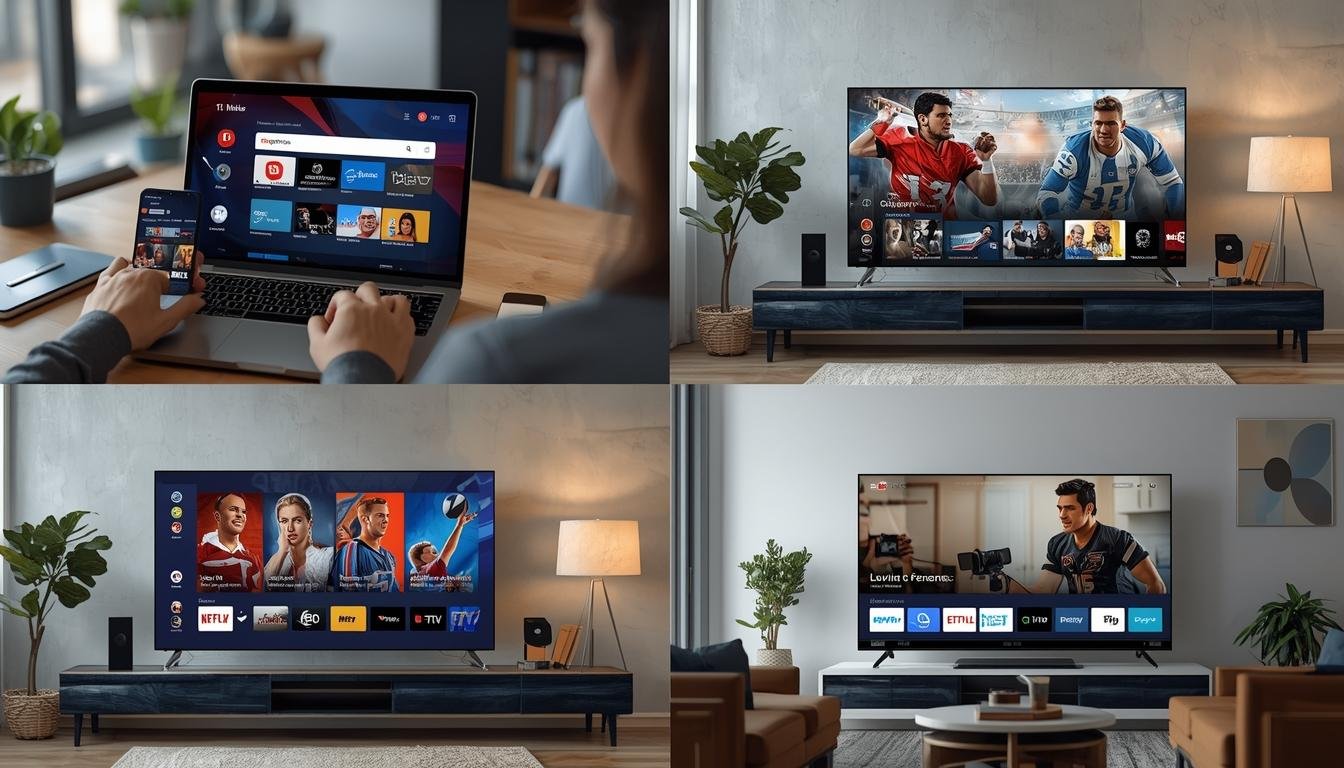
Setting Up Your Streaming Environment
1. Evaluate Your Internet Connection
– Run a speed test to verify your connection meets minimum requirements
– Consider upgrading your internet plan if speeds fall below recommended thresholds
– Position your router centrally to maximize signal strength
2. Select Your Primary Streaming Device
– Choose based on your budget, preferred ecosystem, and feature requirements
– For maximum flexibility, consider devices with voice control integration
3. Connect Your Streaming Device
– Connect to your television using HDMI ports
– Ensure power connections are secure
– If using an external antenna, position it optimally for signal strength
4. Network Configuration
– Connect your device to your home Wi-Fi network
– Enter your network credentials carefully
– Consider using ethernet connections for primary viewing locations
5. Account Creation and Login
– Create accounts for your selected streaming services
– Securely store login credentials
– Enable two-factor authentication where available
6. Choose Your iptv subscription2026 Provider
– Research legitimate providers with reliable service records
– Compare channel offerings, resolution options, and device compatibility
– Review customer support availability and reliability
7. Install Required Applications
– Download the provider’s application or compatible player
– Follow on-screen instructions for setup
– Allow necessary permissions for optimal functionality
8. Configure Streaming Settings
– Adjust video quality based on your internet capabilities
– Set up parental controls if needed
– Configure audio preferences for your environment
9. Organize Your Content
– Create favorites lists for frequently watched channels
– Set up profiles for different household members
– Configure recording options if available
10. Test Different Viewing Scenarios
– Test during peak usage hours to assess performance
– Try various content types to ensure compatibility
– Verify functionality across multiple devices if applicable
For those interested in the future iptv subscription 2026 options, keeping your system’s firmware and applications updated will ensure compatibility with emerging features and technologies.
Benefits & Advantages
Streaming television services offer numerous advantages over traditional cable or satellite subscriptions:
Cost Efficiency: Most streaming services cost significantly less than traditional cable packages, with greater control over which services you pay for.
Content Flexibility: Access to international channels and content libraries that aren’t available through conventional providers.
On-Demand Viewing: Watch what you want, when you want, without adhering to broadcast schedules.
Multi-Device Access: View content across multiple devices including televisions, tablets, smartphones, and computers.
No Geographic Limitations: Access your content from anywhere with an internet connection, perfect for travelers.
Enhanced Resolution Options: Many streaming services offer 4K, HDR, and even 8K content options as technology advances.
Specialized Content: Access to niche channels and programming that cater to specific interests not commonly found on traditional television.
Interactive Features: Many modern streaming platforms offer interactive elements, viewer voting, and community engagement options.
Personalization: Advanced recommendation algorithms help discover new content based on your viewing habits.
No Hardware Maintenance: Eliminate satellite dish maintenance, weather-related outages, and hardware replacement costs.
Simultaneous Streaming: Many services allow multiple streams simultaneously, perfect for households with diverse viewing preferences.
Regular Content Updates: New movies, shows, and channels are frequently added without requiring additional equipment or installation.
Tips, Alternative Methods, or Optimization Advice
Optimizing Your Streaming Experience
Network Optimization:
– Use mesh Wi-Fi systems for larger homes to eliminate dead zones
– Set up quality of service (QoS) on your router to prioritize streaming traffic
– Consider dedicated 5GHz networks for streaming devices to avoid interference
Content Management Alternatives:
– Use Plex or Emby to create a personal media server for your own content
– Explore IPTV aggregator applications that combine multiple services
– Consider content synchronization tools for watching with distant friends or family
Hardware Alternatives:
– Mini PC devices offer more flexibility than dedicated streaming boxes
– Gaming consoles (PlayStation, Xbox) provide excellent streaming capabilities
– Smart projectors can create theater-like experiences with streaming built-in
Viewing Experience Optimization:
– Calibrate your television’s display settings for optimal picture quality
– Consider ambient lighting behind your screen to reduce eye strain
– Use external sound systems or soundbars to improve audio quality
Subscription Management:
– Rotate subscriptions seasonally based on content release schedules
– Use subscription tracking apps to monitor recurring payments
– Look for bundle deals that combine multiple services at discounted rates
Additional Tools:
– Electronic program guides (EPGs) can enhance navigation of live content
– VPN services can provide additional security and access options
– Content aggregator applications help centralize searching across platforms
Energy Efficiency:
– Configure auto-shutdown timers to conserve energy
– Use smart plugs to completely power down devices when not in use
– Consider energy consumption when selecting new streaming devices
Common Mistakes to Avoid
When setting up and using streaming television services, be careful to avoid these frequent pitfalls:
Underestimating Bandwidth Requirements:
– Solution: Conduct speed tests during peak hours to understand your actual bandwidth
– Action: Consider upgrading your internet plan or limiting simultaneous streams
Overlooking Router Placement:
– Solution: Position your router centrally and away from interference sources
– Action: Use Wi-Fi analyzer apps to identify optimal placement locations
Ignoring Device Limitations:
– Solution: Research device specifications before purchasing
– Action: Prioritize devices with regular software updates and sufficient processing power
Using Outdated Equipment:
– Solution: Replace streaming devices every 2-3 years for optimal performance
– Action: Keep firmware and applications updated to maintain compatibility
Neglecting Security Considerations:
– Solution: Use strong, unique passwords for streaming accounts
– Action: Review privacy settings and consider using dedicated streaming emails
Choosing Unreliable Service Providers:
– Solution: Research provider reputation and longevity
– Action: Start with short-term commitments to evaluate service quality
Failing to Optimize Display Settings:
– Solution: Adjust picture settings specifically for streaming content
– Action: Use calibration tools or guided setup options within your TV settings
Overlooking Compatibility Issues:
– Solution: Verify device compatibility before subscribing to services
– Action: Test services using free trials before committing to subscriptions
Disregarding Storage Limitations:
– Solution: Monitor storage usage on devices that download content
– Action: Regularly clear caches and remove downloaded content that’s no longer needed
Forgetting About Data Caps:
– Solution: Check if your internet plan includes data limitations
– Action: Monitor monthly usage and adjust streaming quality settings accordingly
Maintenance & Ongoing Care
To ensure optimal performance from your streaming setup, implement these maintenance practices:
Regular Software Updates:
– Check for firmware updates on streaming devices monthly
– Enable automatic updates when available
– Verify application updates are completed properly
Device Maintenance:
– Restart devices weekly to clear temporary memory
– Clean physical connections and ports every 3-6 months
– Ensure adequate ventilation around devices to prevent overheating
Account Management:
– Review subscription renewals quarterly
– Update payment information promptly
– Audit authorized devices and remove unused connections
Storage Management:
– Clear application caches monthly
– Delete downloaded content after viewing
– Monitor available storage and expand when necessary
Network Maintenance:
– Restart routers and modems monthly
– Check for router firmware updates quarterly
– Run periodic speed tests to verify performance
Content Organization:
– Update watchlists and favorites regularly
– Remove outdated playlists and recommendations
– Recalibrate content preferences as your interests change
Security Practices:
– Change passwords every 3-6 months
– Review account access logs periodically
– Monitor for unauthorized charges or suspicious activity
Performance Optimization:
– Close unused applications when streaming
– Limit simultaneous streams during important viewing
– Consider dedicated streaming devices for primary viewing areas
By implementing these maintenance practices, you’ll experience fewer interruptions and enjoy more consistent performance from your streaming services.
Conclusion
As we’ve explored throughout this guide, streaming television technology continues to evolve at a rapid pace, offering viewers more options than ever before. An iptv subscription2026 provides flexibility, variety, and convenience that traditional television services simply cannot match. By carefully selecting compatible devices, maintaining a robust internet connection, and following proper setup procedures, you can create an entertainment environment tailored precisely to your preferences. The future iptv subscription 2026 landscape promises even more innovations—from enhanced interactive features to improved content discovery algorithms. By staying informed about emerging technologies and maintaining your system properly, you’ll be well-positioned to enjoy the best possible viewing experience for years to come. Remember that the streaming world rewards those who remain flexible and willing to adapt to new platforms and services as they emerge.
FAQs
How much internet bandwidth do I need for reliable streaming?
For standard definition content, aim for at least 3-5 Mbps per stream. HD content requires 5-10 Mbps, while 4K streaming demands 25+ Mbps. For households with multiple simultaneous streams, calculate your total requirement by adding the bandwidth needs for each concurrent stream and add 20% overhead for stability. Consider fiber or cable internet connections for the most reliable streaming experience, especially for households with heavy streaming usage.
Are streaming devices better than smart TV built-in apps?
Dedicated streaming devices typically offer better performance, more frequent updates, and greater app compatibility than built-in smart TV applications. While smart TV apps are convenient, they often run on slower processors and receive fewer updates over time. Streaming devices like Fire TV, Roku, or Apple TV usually provide more responsive interfaces, better voice control integration, and longer support lifespans. Consider using a dedicated device for primary viewing locations, especially for older smart TV models.
How can I improve buffering issues during peak viewing hours?
To reduce buffering, first check your internet speed during problematic times to identify bandwidth constraints. Consider upgrading your internet plan or limiting other household internet usage during important viewing. Use wired ethernet connections instead of Wi-Fi when possible. Adjust streaming quality settings to match your available bandwidth. Position your router centrally or use mesh Wi-Fi systems to eliminate dead zones. Finally, consider a quality of service (QoS) enabled router that can prioritize streaming traffic over other internet activities.
How do I ensure I’m choosing a legitimate streaming service provider?
Research potential providers thoroughly by checking their business registration, reading independent reviews, and verifying their content licensing agreements. Legitimate providers typically offer clear terms of service, transparent pricing, and multiple payment options. Be wary of services advertising unusually low prices for premium content or those requiring cryptocurrency payments only. Check for professional customer support options and avoid providers that make unrealistic claims about channel counts or content availability. When possible, start with short-term commitments to evaluate service quality.
Can I use the same streaming subscription while traveling internationally?
Most major streaming services allow access while traveling, though content availability may vary by region due to licensing restrictions. Some services impose temporary location restrictions or require periodic connection from your home country. Using a VPN might help maintain access to your home content catalog, though some services actively block VPN connections. Check your service’s terms regarding international usage before traveling. For extended stays abroad, consider services specifically designed for expatriates or international viewers that provide consistent access regardless of location.
Leave a Reply