Understanding IPTV Legality and Services in the USA
Have you ever wondered about the legality of streaming services that offer hundreds of TV channels over the internet for a fraction of cable costs? With the rising popularity of streaming platforms, many consumers are questioning is iptv legal in usa and what options exist for those seeking legitimate alternatives. The landscape of Internet Protocol Television (IPTV) can be confusing, with countless providers claiming to offer the best service while legal iptv services in usa sometimes get overshadowed by unauthorized alternatives. Understanding this distinction is crucial for consumers who want to enjoy streaming content while staying within the boundaries of the law. Let’s explore what makes IPTV services legal or illegal, and how to identify authorized providers in the American market.
Table of Contents
Devices & Requirements
To access IPTV services properly, you’ll need several key components:
1. Smart TV or Streaming Device: Modern smart TVs often have built-in IPTV capabilities. Alternatively, devices like Amazon Fire TV Stick, Roku, Apple TV, or Android TV boxes can transform any TV with an HDMI port into a streaming powerhouse.
2. Stable Internet Connection: A minimum speed of 25 Mbps is recommended for HD streaming, while 4K content may require 50 Mbps or higher. Wired connections typically provide more stability than wireless for high-definition streaming.
3. IPTV Application or Service: Depending on the provider, you may need to install specific apps available on app stores or through side-loading.
4. IPTV Subscription: Access to legitimate services typically requires a paid subscription from authorized providers.
5. VPN (Optional): While not necessary for legal services, some users employ VPNs for enhanced privacy and to avoid ISP throttling of streaming traffic.
6. External Storage (Optional): Some services offer DVR functionality that may require additional storage devices for recording content.
Remember that hardware requirements vary based on the quality of content you wish to stream, with 4K requiring more powerful devices than standard definition content.
Setup Time & Preparation

Setting up a legal IPTV service typically takes between 15-30 minutes, depending on your technical experience and the specific service you’ve chosen. Before beginning, ensure you have:
– All account credentials ready for your chosen service
– Your devices updated to the latest firmware/software
– Strong and stable internet connection (test your speed beforehand)
– Payment method prepared if you’re signing up for a new service
– Basic knowledge of your streaming device’s navigation system
For those new to streaming services, allow additional time for familiarizing yourself with the interface and troubleshooting potential connectivity issues. Most legitimate services offer guided setup processes and customer support to help you get started smoothly. It’s advisable to set aside an hour for your first setup to account for potential learning curves or unexpected configuration needs.
Step-by-Step Instructions
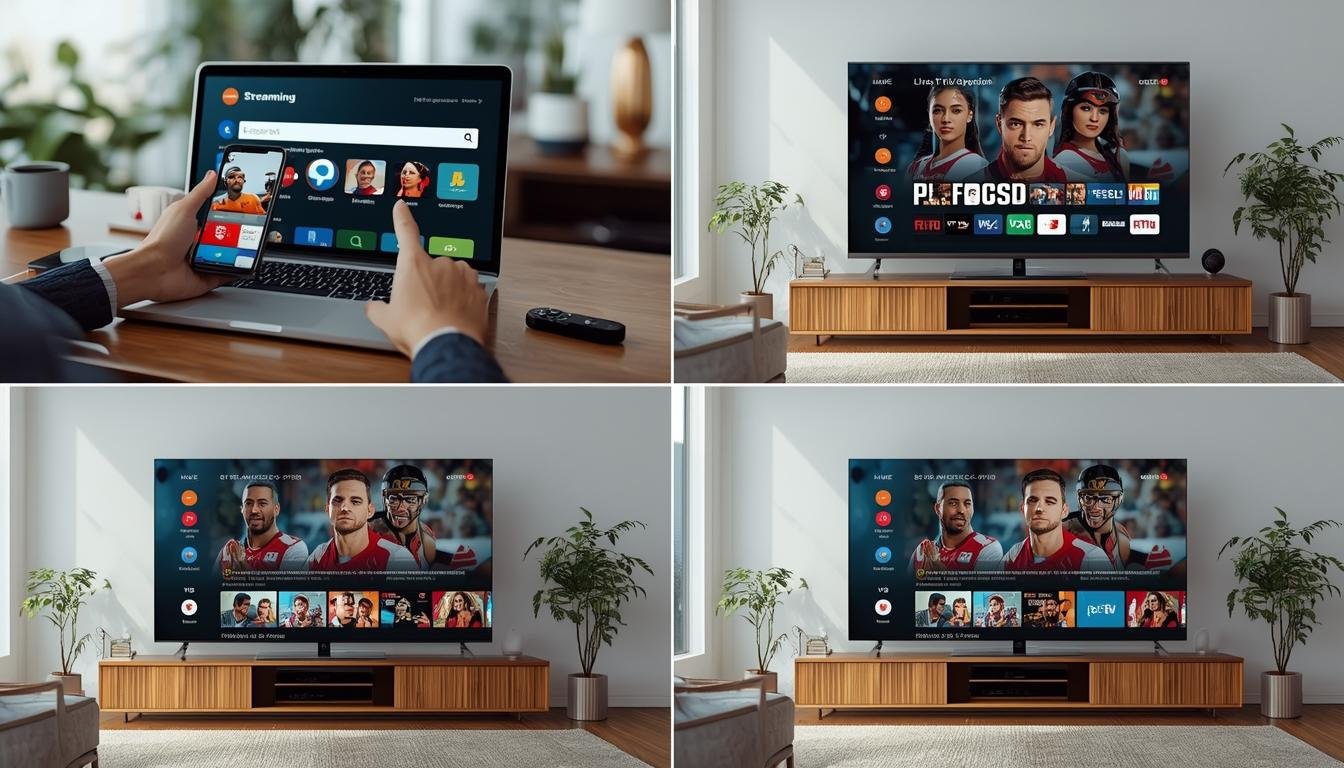
Setting up a legitimate IPTV service in the United States involves careful selection and proper configuration. Follow these steps to ensure you’re accessing legal iptv services in usa while avoiding potential legal complications:
1. Research Legitimate Providers
– Look for services with proper licensing agreements
– Check for transparent business information and privacy policies
– Verify they have agreements with content creators/distributors
2. Select Your Streaming Device
– Choose a compatible device like Fire TV, Roku, Apple TV, or Android TV box
– Ensure your device has the latest updates installed
3. Create an Account with Your Chosen Provider
– Sign up using a valid email address
– Complete any verification steps required
– Review terms of service to understand what you’re agreeing to
4. Download the Required Application
– Access your device’s app store (Google Play, Apple App Store, etc.)
– Search for your IPTV provider’s official app
– Install the application
5. Sign In and Activate
– Enter your credentials in the app
– Follow any activation procedures (some services require device activation)
– Enter any subscription codes if provided
6. Configure Your Settings
– Set preferred stream quality based on your internet speed
– Configure parental controls if needed
– Adjust user interface preferences
7. Test Your Connection
– Try playing various channels to ensure functionality
– Monitor for buffering issues which might indicate connection problems
– Check audio and video synchronization
When considering is iptv legal in usa, remember that services offering thousands of premium channels for extremely low prices often lack proper licensing arrangements. Always check that your provider maintains proper content agreements to avoid legal issues.
Benefits & Advantages
Legal IPTV services offer numerous advantages over both traditional cable and unauthorized streaming options:
1. Content Legitimacy and Quality
– Licensed content ensures consistent high quality
– Regular updates and maintenance of servers
– Reliable uptime with minimal interruptions
– Professional customer support
2. Financial Benefits
– Often more affordable than traditional cable packages
– No need for specialized equipment rentals
– Flexible subscription models (monthly, annual, etc.)
– No hidden fees or unexpected price increases
3. Enhanced Viewing Experience
– Multi-device compatibility (watch on TV, phone, tablet, or computer)
– Time-shifting capabilities with cloud DVR options
– Personalized content recommendations
– User-friendly interfaces with search functionality
4. Peace of Mind
– No risk of legal consequences for copyright infringement
– Protection of personal and financial information
– Regular security updates to protect your data
– No exposure to potentially harmful third-party advertising
5. Additional Features
– Integration with other streaming platforms
– Voice search capabilities on compatible devices
– Multiple user profiles for family sharing
– Closed captioning and accessibility features
These advantages demonstrate why choosing legitimate services is worthwhile beyond just legal compliance.
Tips, Alternative Methods, or Optimization Advice
To maximize your IPTV experience while ensuring you stay within legal boundaries, consider these optimization techniques:
Service Selection Tips:
– Compare multiple legitimate providers before committing
– Look for services offering free trials to test compatibility
– Check if the service includes a cloud DVR option
– Review geographic availability of channels you’re interested in
– Confirm if your preferred device is officially supported
Performance Optimization:
– Use wired Ethernet connections whenever possible
– Consider upgrading your router if experiencing wireless issues
– Close bandwidth-heavy applications while streaming
– Position your streaming device away from interference sources
– Regularly restart your streaming devices and routers
Alternative Legal Options:
– Network-specific apps (like NBC, ABC, CBS apps)
– Aggregator services (YouTube TV, Hulu + Live TV, Sling)
– Free ad-supported streaming television (FAST) services
– Over-the-air antenna combined with networked DVR
– Add-on channels through existing streaming subscriptions
Cost Management:
– Share family plans when terms of service allow
– Look for annual billing discounts
– Monitor for promotional offers during holidays
– Consider bundling with existing services (like Amazon Prime Video channels)
Implementing these strategies can help you build a robust, legal streaming setup that meets your needs without compromising quality or legality.
Common Mistakes to Avoid
Many consumers make avoidable mistakes when setting up and using IPTV services. Here are common pitfalls and their solutions:
Mistake #1: Choosing Services Based Solely on Price
– Problem: Extremely cheap services offering thousands of premium channels are typically operating illegally.
– Solution: Research the provider’s licensing agreements and content rights. Legitimate services will be transparent about their partnerships.
Mistake #2: Ignoring Terms of Service
– Problem: Not understanding usage limitations can lead to account termination.
– Solution: Carefully read terms regarding simultaneous streams, sharing accounts, and geographic restrictions.
Mistake #3: Overlooking Technical Requirements
– Problem: Insufficient internet speed or outdated devices causing poor streaming quality.
– Solution: Verify your internet speeds and device capabilities before subscribing. Consider upgrading if necessary.
Mistake #4: Assuming All IPTV Services Are Identical
– Problem: Missing features that might be important to your viewing habits.
– Solution: Create a list of must-have features (DVR, multiple streams, specific channels) and compare providers accordingly.
Mistake #5: Neglecting Security Considerations
– Problem: Exposing personal and payment information to potentially unscrupulous operators.
– Solution: Use trusted payment methods with buyer protection, avoid sharing personal details unnecessarily, and research provider reputation.
Mistake #6: Installing Unofficial Apps
– Problem: Side-loaded or modified applications may contain malware.
– Solution: Only install apps from official app stores or directly from the service provider’s website.
Mistake #7: Ignoring Service Changes
– Problem: Missing notifications about content availability or terms changes.
– Solution: Regularly check service announcements and keep contact information updated.
Avoiding these common mistakes will help ensure a better overall experience with your IPTV service while maintaining legal compliance.
Maintenance & Ongoing Care
Maintaining your IPTV setup ensures optimal performance and longevity. Follow these essential maintenance practices:
Regular Software Updates:
– Check for app updates weekly
– Enable automatic updates when available
– Update device firmware/operating system promptly
– Review changelog for new features or fixed issues
Performance Maintenance:
– Clear cache from streaming apps monthly
– Restart devices weekly to free memory
– Monitor internet speed regularly using testing tools
– Check for router firmware updates quarterly
Account Management:
– Review subscription details before renewal dates
– Update payment information promptly when needed
– Periodically review authorized devices
– Change passwords every 3-6 months
Troubleshooting Routine:
– Learn basic network diagnostic procedures
– Keep track of common error codes and solutions
– Document successful troubleshooting steps for future reference
– Test alternative network configurations when experiencing issues
Content Organization:
– Regularly update favorite channels and programs
– Organize content into categories for easier access
– Remove unwanted content from watch history
– Update preferences as viewing habits change
Security Practices:
– Review app permissions periodically
– Monitor for unauthorized access to your account
– Use strong, unique passwords for streaming services
– Consider using a password manager for security
Implementing these maintenance practices will maximize your streaming quality while extending the lifespan of your devices and ensuring service continuity.
Conclusion
Navigating the world of IPTV requires understanding both technical and legal considerations. Throughout this guide, we’ve explored the question of is iptv legal in usa and how to identify legal iptv services in usa that comply with copyright laws and licensing agreements. The key takeaway is that legal streaming options do exist, providing high-quality content without the risks associated with unauthorized services. By following the steps outlined in this guide, you can create a streaming setup that respects intellectual property rights while delivering the entertainment experience you desire. Remember that legitimate services not only protect you legally but typically offer superior reliability, customer support, and content quality. As streaming technology continues to evolve, staying informed about proper setup, maintenance, and service selection will ensure you get the most from your digital entertainment investments while remaining compliant with U.S. laws.
FAQs
How can I tell if an IPTV service is legal?
Legal IPTV services typically have transparent business information, proper licensing agreements with content providers, reasonable pricing that reflects content acquisition costs, and are available through official app stores. They won’t advertise “all premium channels” for extremely low prices and will have clear terms of service. Look for services from established companies that maintain business relationships with content creators and distributors.
What are the consequences of using illegal IPTV services?
Using unauthorized IPTV services can lead to various consequences including potential legal liability for copyright infringement, exposure of personal and financial information to unregulated operators, malware risks from unofficial applications, inconsistent service quality and unexpected service termination without refund options. Additionally, these services often lack customer support when technical issues arise.
Can I use a VPN with legal IPTV services?
Most legal IPTV services allow VPN usage for privacy purposes, but many implement geographic restrictions based on content licensing agreements. Using a VPN to circumvent these regional restrictions may violate the service’s terms of use and could result in account termination. Always review the specific terms of service regarding VPN usage for your chosen provider.
Why do legal IPTV services cost more than some alternatives?
Legitimate services pay licensing fees to content creators and distributors, maintain reliable server infrastructure, develop and update user-friendly applications, provide customer support, and comply with regulatory requirements. These operational costs are reflected in their subscription prices. Services offering unusually low prices typically skip these licensing fees and operate outside legal frameworks.
Can I record content from legal IPTV services?
Many legitimate IPTV services offer cloud DVR or recording functionality as part of their subscription packages. The recording capabilities vary between providers, with differences in storage limits, retention periods, and playback restrictions. These features are designed to comply with copyright laws while offering convenience to subscribers. Always check the specific recording terms for your chosen service.
Leave a Reply