Streaming Excellence: How to Get the Best TV Experience on Demand
Introduction
Are you tired of traditional cable subscriptions and looking for a more flexible way to enjoy your favorite shows? The world of streaming offers incredible options for viewers seeking on-demand entertainment. With platforms like tvnado gaining popularity, many users are exploring how to enhance their streaming experience. Whether you’re new to streaming or looking to optimize your setup, understanding the basics of streaming services and how to access them through options like tvnado apk download can transform your viewing habits. Let’s explore how you can unlock a world of entertainment right from your living room with the right tools and knowledge.
Devices & Requirements
To enjoy seamless streaming, you’ll need certain hardware and software components. Here’s what you should have on hand:
Essential Devices:
– Smart TV with internet capability
– Streaming device (Firestick, Roku, Apple TV, or Chromecast)
– Android TV Box
– Smartphone or tablet (for mobile viewing)
– Computer or laptop
Basic Requirements:
– Stable high-speed internet connection (minimum 10 Mbps for HD, 25+ Mbps for 4K)
– Updated operating system on your streaming device
– HDMI cable (for connecting external devices to your TV)
– Reliable Wi-Fi router (preferably dual-band)
Optional Tools:
– Ethernet cable for wired connection (more stable than Wi-Fi)
– VPN service for privacy and accessing geo-restricted content
– External storage device for downloaded content
– Quality soundbar or sound system
– Universal remote control
Each streaming device has its own advantages. Firestick offers Amazon integration, Roku provides a user-friendly interface, and Android boxes give you more customization options. Choose based on your specific needs and technical comfort level.
Setup Time & Preparation
Before diving into streaming setup, be aware of the time investment required. The basic setup process typically takes:
– Hardware setup: 10-15 minutes
– Software installation: 15-30 minutes
– Account creation and login: 5-10 minutes
– Customization and preferences: 10-20 minutes
Total time: Approximately 40-75 minutes for complete setup
Preparation is key to a smooth experience. Before starting:
1. Check your internet speed using online speed test tools
2. Ensure your TV has available HDMI ports
3. Have your Wi-Fi network name and password handy
4. Create necessary streaming service accounts in advance
5. Clear adequate space around devices for ventilation
6. Prepare payment information if subscribing to premium services
Remember that the first-time setup requires the most time. Subsequent updates or modifications will be much quicker. If you’re planning to install third-party applications, allocate additional time for research and troubleshooting.
Step-by-Step Instructions
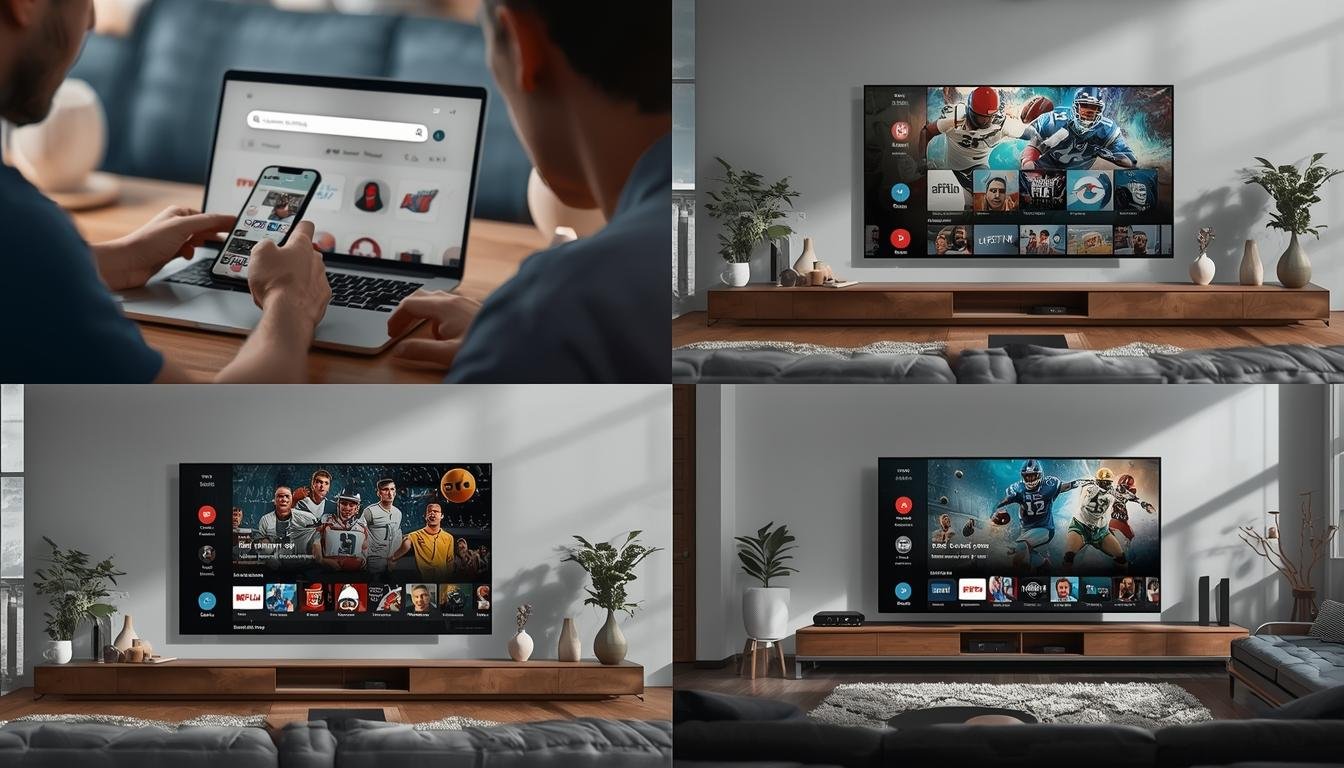
Setting Up Your Streaming Environment
1. Connect Your Hardware
– Plug your streaming device into your TV’s HDMI port
– Connect power to both TV and streaming device
– Switch TV input to the correct HDMI source
– Position your device for optimal Wi-Fi reception
2. Configure Network Connection
– Navigate to network settings on your device
– Select your Wi-Fi network and enter the password
– Confirm connection and run a network test
– Consider using Ethernet for more stable streaming
3. Install Streaming Applications
– Access your device’s app store
– Search for and install popular streaming apps
– For specialized content, users might explore tvnado options
– Follow on-screen prompts to complete installation
4. Account Setup and Login
– Open each installed streaming app
– Sign in with existing accounts or create new ones
– Configure viewing preferences and parental controls
– Set up profiles for different household members
5. Optimize Streaming Quality
– Adjust video quality settings based on your internet speed
– Enable auto-adjust features if available
– For additional options, some users explore tvnado apk download and similar alternatives
– Test playback of content at different quality levels
6. Customize User Experience
– Arrange apps on your home screen by frequency of use
– Set up favorites and watchlists
– Enable notifications for new content if desired
– Configure audio output options for optimal sound
For the best experience, restart your devices after completing setup. This ensures all settings are properly applied and the system is running smoothly.
Benefits & Advantages
Switching to streaming offers numerous advantages over traditional television services:
Cost Efficiency
– Lower monthly costs compared to cable packages
– Pay only for the services you actually use
– No equipment rental fees
– Ability to share subscription costs with family members
Content Flexibility
– Watch what you want, when you want
– No rigid programming schedules
– Access to exclusive streaming-only content
– Ability to binge entire seasons at once
Viewing Experience
– Higher video quality (4K, HDR where available)
– No commercial interruptions on many platforms
– Cross-device viewing capability
– Personalized recommendations based on viewing history
Convenience Features
– Download content for offline viewing
– Resume watching across different devices
– Multiple user profiles with personalized recommendations
– Voice search capabilities on many platforms
Content Discovery
– Easy searching across multiple platforms
– Genre-based browsing
– Curated collections and themed recommendations
– “New releases” sections to stay current
The ability to customize your entertainment ecosystem based on your preferences makes streaming significantly more user-friendly than traditional television services.
Tips, Alternative Methods, or Optimization Advice
To get the most from your streaming setup, consider these optimization strategies:
Network Optimization
– Position your router centrally in your home
– Use mesh Wi-Fi systems for larger homes
– Schedule automatic router restarts during off-hours
– Consider dedicated bandwidth for streaming devices
– Update router firmware regularly
Content Discovery Enhancements
– Use universal search apps to find content across platforms
– Create watchlists to organize viewing priorities
– Enable notifications for new episodes of favorite shows
– Explore curated recommendation sites for hidden gems
Alternative Streaming Methods
– Consider IPTV services for live television channels
– Explore media server software like Plex or Emby
– Look into DLNA streaming from networked storage devices
– Investigate casting options from mobile devices to TV
Performance Tweaks
– Regularly clear cache on streaming devices
– Close background apps when not in use
– Consider streaming device cooling solutions
– Use sleep timers to conserve bandwidth and energy
Cost-Saving Strategies
– Rotate subscriptions monthly based on viewing needs
– Look for bundle deals with multiple services
– Check for student or group discounts
– Consider ad-supported tiers for less frequently used services
By implementing these optimization techniques, you’ll experience fewer buffering issues, discover content more efficiently, and potentially reduce your overall streaming costs.
Common Mistakes to Avoid
Even experienced streamers make these common errors. Here’s how to avoid them:
Underestimating Internet Requirements
– Mistake: Subscribing to 4K services with insufficient bandwidth
– Solution: Test your internet speed and upgrade if necessary or adjust streaming quality
Neglecting Device Updates
– Mistake: Ignoring firmware and app updates
– Solution: Enable automatic updates or check weekly for new versions
Poor Wi-Fi Positioning
– Mistake: Placing streaming devices in cabinets or behind TVs
– Solution: Position devices with clear line-of-sight to your router
Overloading Home Network
– Mistake: Streaming on multiple devices simultaneously without sufficient bandwidth
– Solution: Stagger heavy streaming usage or upgrade internet service
Security Oversights
– Mistake: Using unsecured connections or weak passwords
– Solution: Enable two-factor authentication and use strong, unique passwords
Ignoring Storage Limitations
– Mistake: Downloading excessive content to devices with limited storage
– Solution: Regularly remove watched content or invest in expanded storage
Overlooking Audio Configuration
– Mistake: Not optimizing sound settings for your environment
– Solution: Adjust audio output settings based on your speaker setup
App Overload
– Mistake: Installing too many apps, causing device slowdown
– Solution: Regularly uninstall unused apps and organize your home screen
Addressing these common issues proactively will significantly improve your streaming experience and prevent frustrating interruptions during your entertainment time.
Maintenance & Ongoing Care
To keep your streaming setup running smoothly, implement these maintenance practices:
Regular Device Maintenance
– Restart streaming devices weekly
– Check for firmware updates monthly
– Clean physical devices with compressed air quarterly
– Test all connections if performance issues arise
App Management
– Update apps as new versions become available
– Clear app cache monthly or when experiencing slowdowns
– Uninstall unused apps to free up resources
– Check for app-specific settings that may improve performance
Network Maintenance
– Restart your router monthly
– Check for router firmware updates quarterly
– Run speed tests periodically to verify performance
– Consider seasonal repositioning (interference can change)
Account Security
– Update passwords quarterly
– Review account activity for unauthorized access
– Check subscription renewal dates to avoid unwanted charges
– Review payment methods for accuracy
Content Organization
– Clean up watchlists periodically
– Remove downloaded content after viewing
– Update preferences as your interests change
– Review recommendations settings for relevance
Seasonal Adjustments
– Consider bandwidth needs during holiday periods when usage increases
– Adjust subscription tiers based on seasonal viewing habits
– Check outdoor antenna connections if applicable
With proper maintenance, your streaming setup will remain responsive and reliable, providing years of trouble-free entertainment without the need for frequent troubleshooting or replacements.
Conclusion
Streaming has revolutionized how we consume entertainment, offering unprecedented flexibility and choice. By following the guidelines outlined in this guide, you can create a personalized streaming environment that delivers the content you love without technical frustrations. From selecting the right devices to optimizing your network, each step contributes to a seamless viewing experience. Remember that platforms like tvnado and options such as tvnado apk download represent just some of the many ways viewers can customize their streaming journey. The key to streaming success lies in thoughtful setup, regular maintenance, and staying informed about new technologies and services. As streaming continues to evolve, your ability to adapt and optimize your setup will ensure you always enjoy the best possible entertainment experience.
FAQs
How much internet speed do I really need for streaming?
For standard definition (SD) content, 3-5 Mbps is typically sufficient. HD content requires 5-10 Mbps, while 4K streaming demands 25 Mbps or more. If multiple devices stream simultaneously in your household, add these requirements together. For example, two 4K streams would need at least 50 Mbps of consistent bandwidth.
Why does my stream buffer even with good internet speed?
Buffering despite adequate internet speed can be caused by several factors: network congestion during peak hours, Wi-Fi interference from other devices, outdated streaming device firmware, or server issues from the content provider. Try restarting your router and streaming device, connecting via Ethernet instead of Wi-Fi, or reducing the stream quality temporarily.
Are VPNs necessary for streaming?
VPNs aren’t strictly necessary but offer benefits like enhanced privacy, protection on public Wi-Fi, and access to geo-restricted content. However, they may reduce your connection speed and some streaming services actively block VPN connections. Choose a streaming-optimized VPN if this feature is important to you.
How can I reduce my streaming subscription costs?
Consider rotating subscriptions rather than maintaining them all simultaneously. Many services offer monthly billing, allowing you to subscribe only when they have content you want to watch. Look for bundle deals, student discounts, or ad-supported free tiers. Sharing accounts within household limits set by providers can also reduce per-person costs.
What should I do if my streaming device becomes unresponsive?
First, try a soft reset by unplugging the device for 30 seconds, then plugging it back in. If issues persist, check for system updates, clear the device cache, or perform a factory reset (saving your login information first). For persistent problems, contact the manufacturer’s customer support or consider if the device has reached the end of its supported lifespan.
Leave a Reply