Unlock the Full Potential of Streaming: Setting Up Your Home Entertainment System
In today’s digital age, streaming has revolutionized how we consume entertainment. Finding the best ip television solution for your home can be overwhelming with countless options available. Streaming technology offers unprecedented access to movies, shows, sports, and international content that traditional cable simply cannot match. With the right setup and knowledge about best IPTV service providers, you can transform your viewing experience while potentially saving money compared to conventional subscription services. Let’s explore how to create the ultimate streaming setup for your home entertainment needs.
Devices & Requirements
Creating an optimal streaming environment requires specific hardware and a reliable internet connection. Here’s what you’ll need:
Smart TV
Modern smart TVs come with built-in streaming capabilities and pre-installed apps like Netflix, Hulu, and Amazon Prime. Look for models with at least 4K resolution and HDR support for the best viewing experience.
Streaming Devices
– Amazon Fire Stick: Affordable, portable, and supports most major streaming services
– Roku: User-friendly interface with extensive app support
– Apple TV: Seamless integration with Apple ecosystem
– Chromecast: Budget-friendly option for Google users
– Nvidia Shield: Premium Android TV box for advanced users and gamers
Internet Requirements
A stable internet connection is crucial for uninterrupted streaming:
– Minimum 25 Mbps for HD streaming
– 50+ Mbps recommended for 4K content
– Ethernet connection preferred over Wi-Fi for stability
– Unlimited data plan to avoid overage charges
Optional Equipment
– External hard drive for local media storage
– VPN service for accessing geo-restricted content
– Quality HDMI cables for optimal signal transmission
– Universal remote control to manage multiple devices
Setup Time & Preparation
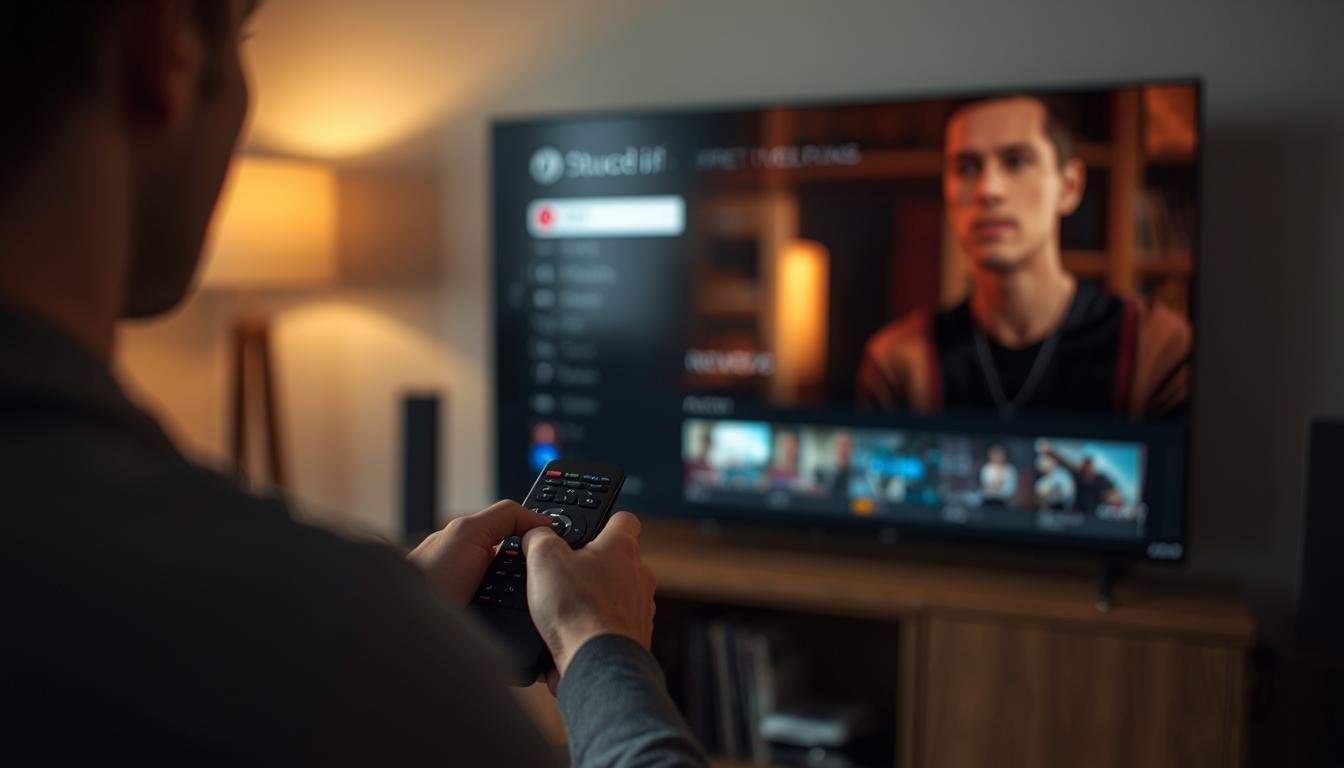
Before diving into installation, proper preparation will save time and frustration. The typical setup process takes between 30-60 minutes, depending on your technical experience and the complexity of your system.
Before You Begin:
1. Check your internet speed using online speed test tools
2. Ensure all devices have the latest firmware/software
3. Create accounts for streaming services you plan to use
4. Clear space around your TV for proper ventilation
5. Organize cables with labels for easier troubleshooting
First-time users should allocate additional time for learning the interface and customizing settings. Plan your setup during off-peak hours when internet speeds are typically faster to ensure smooth account verification and app downloads.
Step-by-Step Instructions
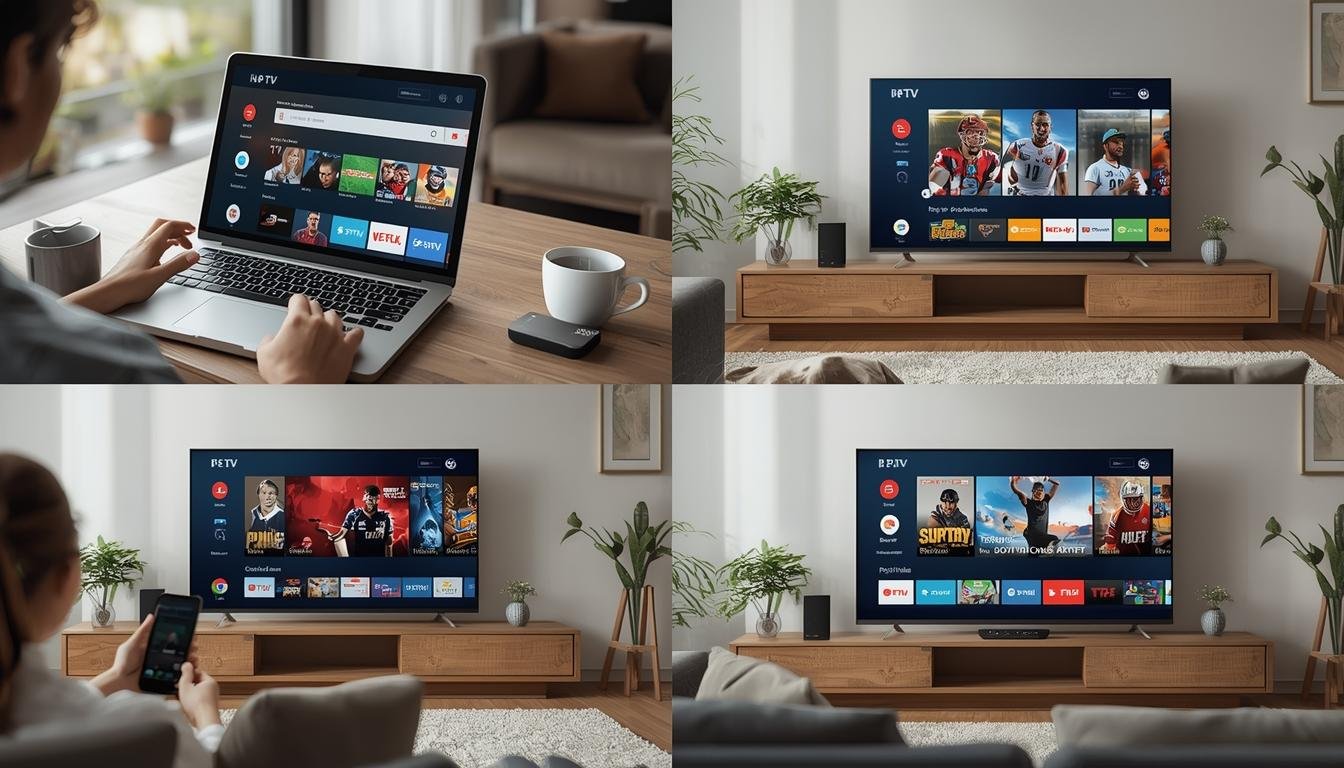
Setting up your streaming system properly ensures optimal performance and access to the best ip television experience possible. Follow these steps carefully:
1. Connect Your Primary Device
– Connect your streaming device to an HDMI port on your TV
– Plug the power adapter into a wall outlet
– Turn on your TV and select the corresponding HDMI input
– Follow on-screen instructions to complete initial setup
2. Configure Network Settings
– Select your Wi-Fi network and enter password
– For wired connections, connect Ethernet cable to your router
– Test connection speed through device settings
– Enable Quality of Service (QoS) on your router to prioritize streaming traffic
3. Install Essential Apps
– Download apps from your device’s app store
– Sign in to subscription services
– Arrange apps in order of frequency of use
– Update all apps to their latest versions
4. Optimize Picture Settings
– Select appropriate picture mode (Cinema/Movie mode typically best)
– Adjust brightness, contrast, and color settings
– Enable HDR if your TV supports it
– Disable motion smoothing for films (prevents the “soap opera effect”)
5. Set Up Audio Configuration
– Configure audio output (stereo, surround sound, etc.)
– Test audio synchronization
– Adjust equalizer settings if available
6. Research and Select Providers
– Compare pricing and content libraries of best IPTV service providers
– Check compatibility with your devices
– Read user reviews for reliability and content quality
– Consider trials before committing to subscriptions
7. Create Content Libraries
– Add favorite channels and shows to watchlists
– Organize content by categories
– Set up parental controls if needed
– Configure recommendations based on viewing preferences
Benefits & Advantages
Switching to IP-based television and streaming services offers numerous advantages over traditional cable:
Cost Efficiency
Streaming services typically cost significantly less than cable packages, especially when you select only the content you actually watch rather than paying for hundreds of unwanted channels.
Content Flexibility
Access a vast library of on-demand content alongside live programming, allowing you to watch what you want when you want it without being restricted by broadcast schedules.
Multi-Device Viewing
Most streaming services allow simultaneous viewing on multiple devices, perfect for households where family members have different entertainment preferences.
Enhanced Picture Quality
Many streaming platforms offer 4K HDR content that surpasses traditional broadcast quality, providing a more immersive viewing experience.
No Contract Commitments
Unlike cable providers that lock you into lengthy contracts, most streaming services operate on month-to-month subscriptions that can be canceled anytime.
International Content Access
Gain access to shows and movies from around the world that might not be available through conventional broadcasting in your region.
Personalized Recommendations
Advanced algorithms analyze your viewing habits to suggest new content you’re likely to enjoy, helping you discover shows and movies you might otherwise miss.
Tips, Alternative Methods, or Optimization Advice
Maximize your streaming experience with these advanced tips:
Network Optimization
– Consider a mesh Wi-Fi system for larger homes
– Place your router in a central, elevated location
– Use 5GHz Wi-Fi band for streaming when available
– Schedule automatic router reboots during off-hours
Content Discovery Tools
– Use aggregator apps like JustWatch or Reelgood to find content across multiple platforms
– Enable notifications for new releases of favorite shows
– Create custom profiles for different household members
Alternative Setup Methods
– Consider an IPTV box with built-in DVR functionality
– Explore media center software like Kodi or Plex for local media
– Try IPTV services with catch-up features for missed programs
– Investigate IPTV services that bundle multiple regional offerings
Budget-Friendly Approaches
– Rotate subscriptions monthly based on content you want to watch
– Share family plans with household members
– Look for bundle deals with your mobile carrier or internet provider
– Consider ad-supported free tiers when available
Common Mistakes to Avoid
Even experienced users make these common errors that can significantly impact streaming quality:
Overlooking Internet Speed Requirements
Many users underestimate the bandwidth needed for multiple simultaneous streams. Ensure your internet plan provides enough speed, especially during peak usage hours.
Ignoring Router Placement
Placing your router in enclosed spaces, near metal objects, or behind thick walls dramatically reduces signal strength and stability.
Skipping Regular Updates
Failing to update firmware on streaming devices and routers can lead to security vulnerabilities and performance issues.
Not Optimizing DNS Settings
Your ISP’s default DNS servers might not be the fastest. Consider alternatives like Google DNS (8.8.8.8) or Cloudflare (1.1.1.1) for potentially faster connections.
Overloading Your Home Network
Too many connected devices competing for bandwidth will degrade streaming quality. Limit background downloads and updates during prime viewing hours.
Subscribing to Too Many Services
It’s easy to accumulate numerous subscription services that exceed your cable bill. Regularly audit your subscriptions and cancel those you rarely use.
Using Outdated HDMI Cables
Older HDMI cables may not support higher bandwidth requirements for 4K HDR content, resulting in signal loss or degraded picture quality.
Maintenance & Ongoing Care
Maintaining your streaming setup ensures consistent performance and longevity of your devices:
Regular System Updates
– Check for firmware updates monthly
– Enable automatic app updates when possible
– Review privacy settings after major updates
Performance Optimization
– Clear cache on streaming devices quarterly
– Restart devices weekly to refresh system resources
– Monitor device temperature during extended use
– Uninstall unused apps to free up storage space
Network Maintenance
– Reboot router monthly
– Update router firmware bi-annually
– Check for interference from new devices
– Run periodic speed tests to verify service levels
Account Management
– Review subscription renewals quarterly
– Update payment methods as needed
– Audit authorized devices periodically
– Enable two-factor authentication for security
Physical Maintenance
– Clean device vents to prevent overheating
– Check cable connections for damage
– Keep devices dust-free
– Ensure proper ventilation around equipment
Conclusion
Setting up a comprehensive streaming system unlocks entertainment possibilities far beyond traditional cable TV. With the right equipment, reliable internet connection, and knowledge of the best ip television options available today, you can create a personalized viewing experience tailored to your preferences. Remember that the landscape of streaming continues to evolve, with new best IPTV service providers and technologies emerging regularly. Stay informed about industry developments to ensure your setup remains current and efficient.
The time invested in properly configuring your streaming environment pays dividends through improved picture quality, content variety, and overall viewing satisfaction. By avoiding common pitfalls and following the maintenance guidelines outlined above, you’ll enjoy a seamless entertainment experience for years to come. Consider revisiting your setup annually to identify potential upgrades or optimizations as new technologies and services become available.
FAQs
How much internet speed do I really need for reliable streaming?
For standard HD content, 5-10 Mbps per stream is sufficient. For 4K content, plan for 25 Mbps per stream. Households with multiple simultaneous viewers should add these requirements together and include a 20% buffer for optimal performance. A family of four might need 100+ Mbps for a seamless experience if everyone streams 4K content simultaneously.
Can I use VPNs with streaming services?
Yes, but with limitations. While VPNs can help access geo-restricted content, many streaming platforms actively block known VPN IP addresses. Choose a premium VPN service that regularly updates their servers and offers streaming-optimized connections. Be aware that using VPNs to circumvent geographical restrictions may violate terms of service of some platforms.
What’s the difference between a Smart TV and a streaming device?
Smart TVs have built-in streaming capabilities but typically receive fewer updates and have slower interfaces than dedicated streaming devices. External streaming devices usually offer more frequent updates, faster processors, and better app selection. Many users prefer external devices even with smart TVs for their superior performance and longevity.
How can I reduce buffering during peak viewing hours?
To minimize buffering, close unused apps running in the background, connect via Ethernet rather than Wi-Fi when possible, reduce video quality settings temporarily, pause other downloads or updates, reposition your router for better signal, or schedule viewing during off-peak hours. For persistent issues, contact your internet service provider to check for line problems.
Are there legal concerns with IPTV services?
Legal streaming services like Netflix, Hulu, and legitimate IPTV providers operate with proper licensing agreements. However, some IPTV services may offer unauthorized content. Always research providers thoroughly and ensure they have proper licensing for the content they distribute. Legitimate services typically have official apps in recognized app stores and transparent business operations.